View Archive
B
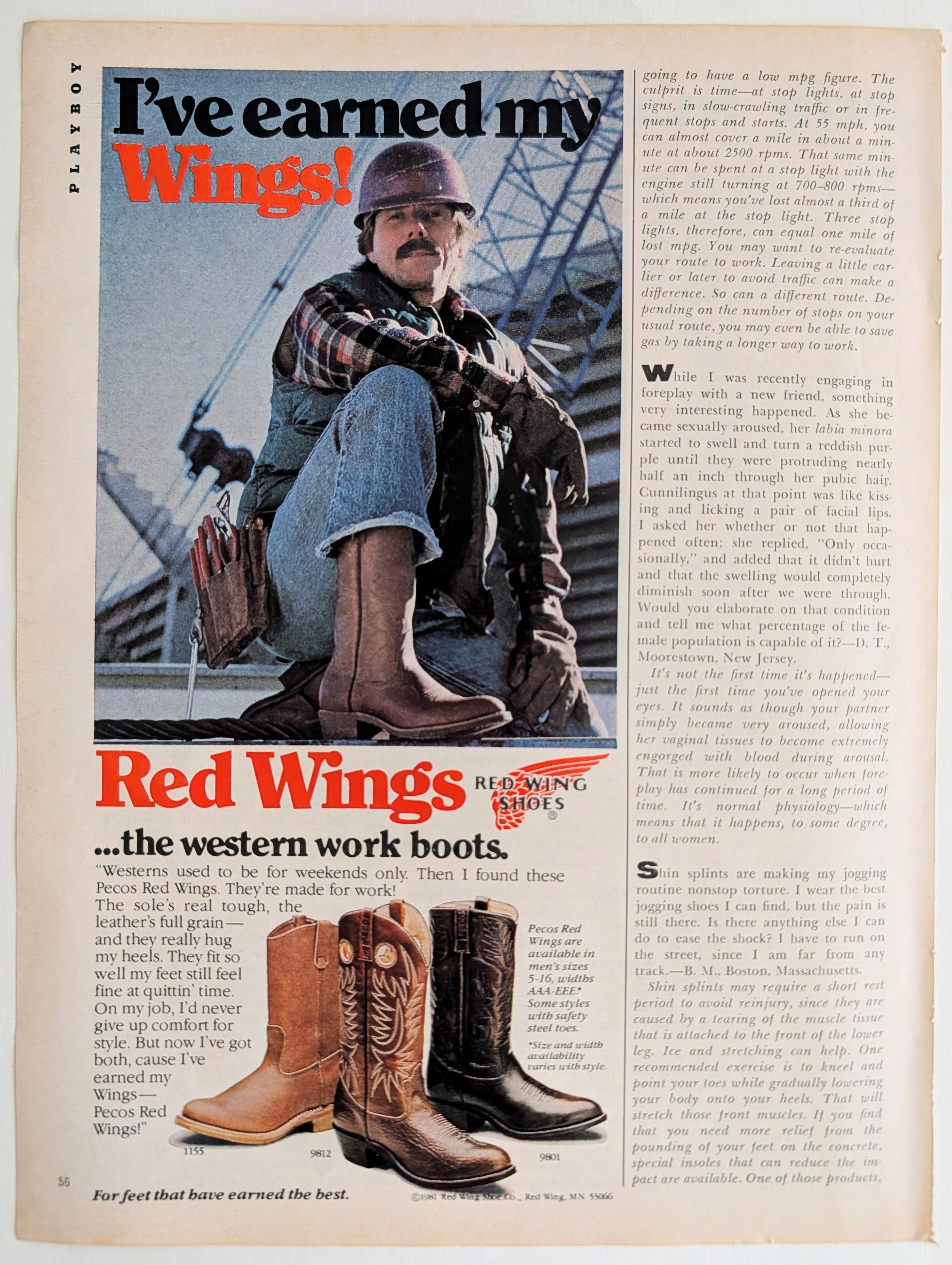
1981 Red Wings Pecos Western Work Boots Vintage Advertisement
1981
Last updated: 13 Apr 2026
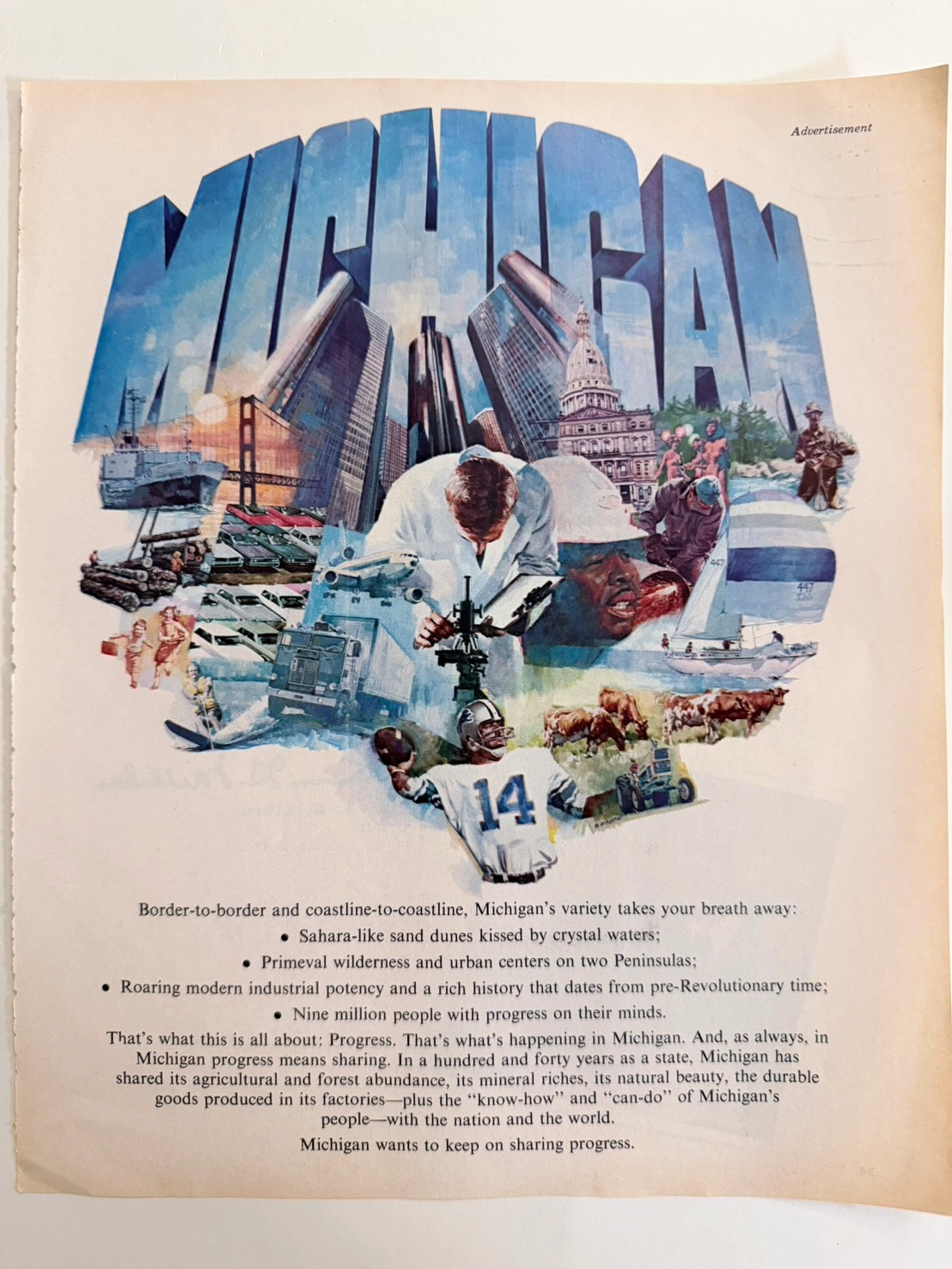


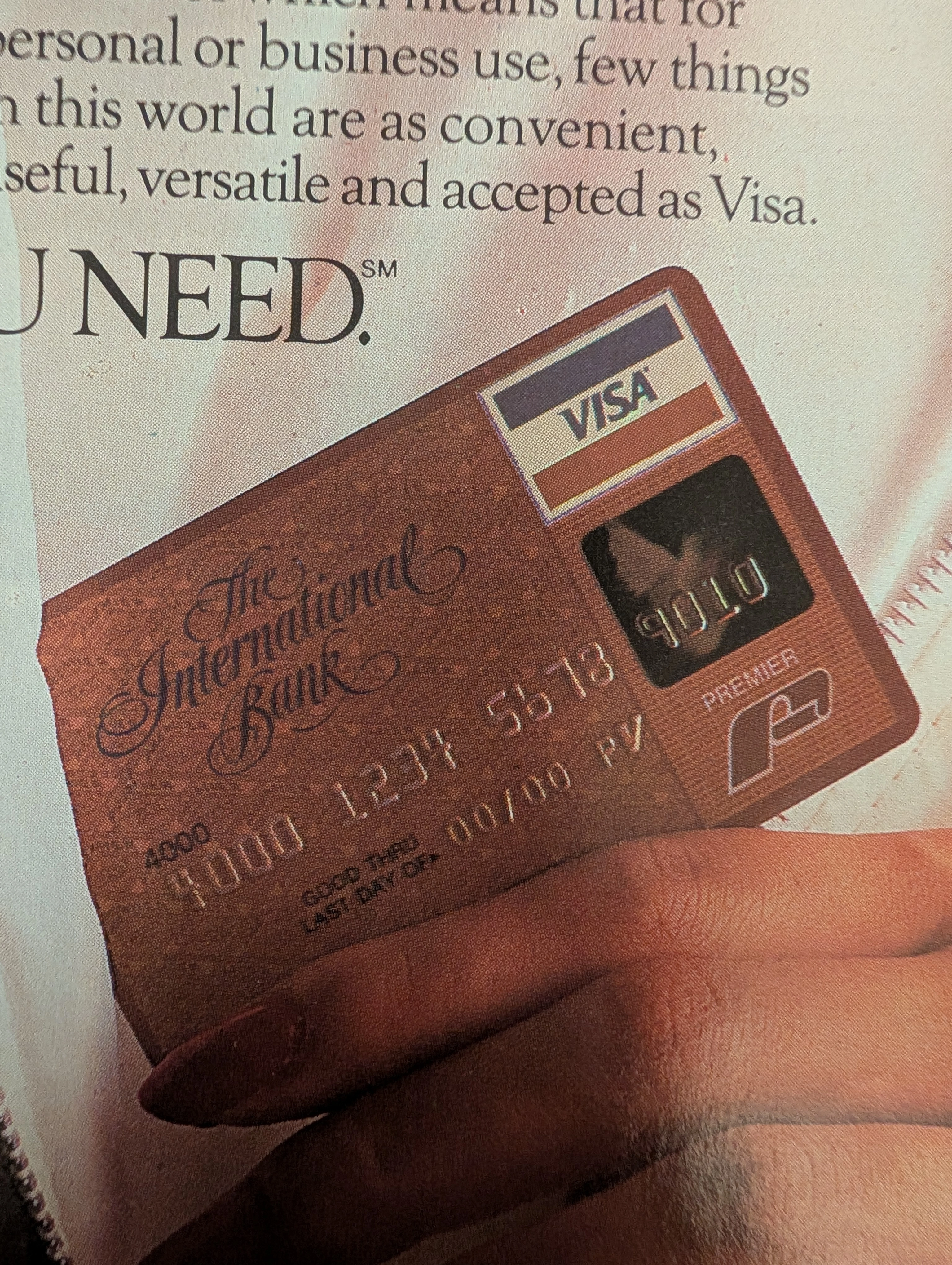
Delve into the archives to explore this definitive 1985 Visa Premier vintage advertisement, a piece that serves as far more than mere financial promotion. It is a historical milestone capturing the evolution of global consumerism and the financial services industry. Published during the mid-1980s, an era when international travel became the ultimate status symbol, this artifact stands as a powerful representation of the premium credit card wars for collectors of vintage ads and old advertisements. The "All You Need" campaign fundamentally transformed Visa's image from an everyday convenience into a "financial passport," universally accepted from the exclusive ski slopes of California to the majestic peaks of Switzerland. Unlike classic print ads of previous decades that focused on tangible consumer goods, this piece sells the intangible allure of freedom, security, and elite access. This document remains a profound testament to the dawn of financial globalization and a masterpiece of fintech archival history.
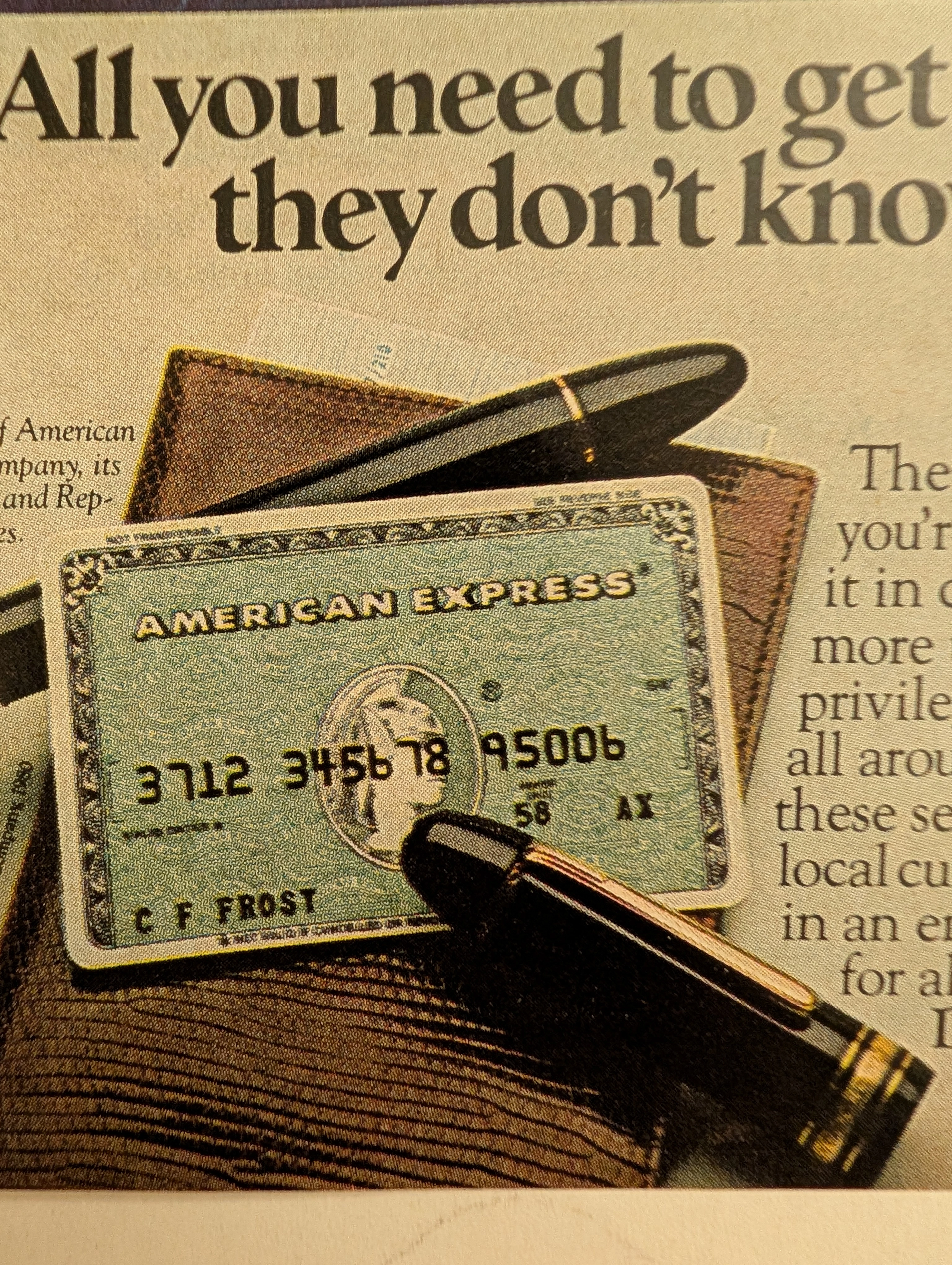
Discover the profound cultural resonance of the 1980 American Express Card vintage advertisement, a masterful example of late 20th-century financial marketing. This piece transcends typical vintage ads by encapsulating the era's burgeoning desire for international travel paired with the absolute need for financial security abroad. Showcasing the iconic green card against the mystic dusk of Istanbul, the campaign perfectly illustrates how classic print ads constructed narratives of global citizenship, elite mobility, and unparalleled trust. For archivists and collectors of old advertisements, this piece stands as a definitive artifact. It not only highlights the practical benefits of emergency travel funds but also visually reinforces the legendary ethos of the brand, making it a pivotal and highly sought-after piece in the history of consumer credit and travel marketing.
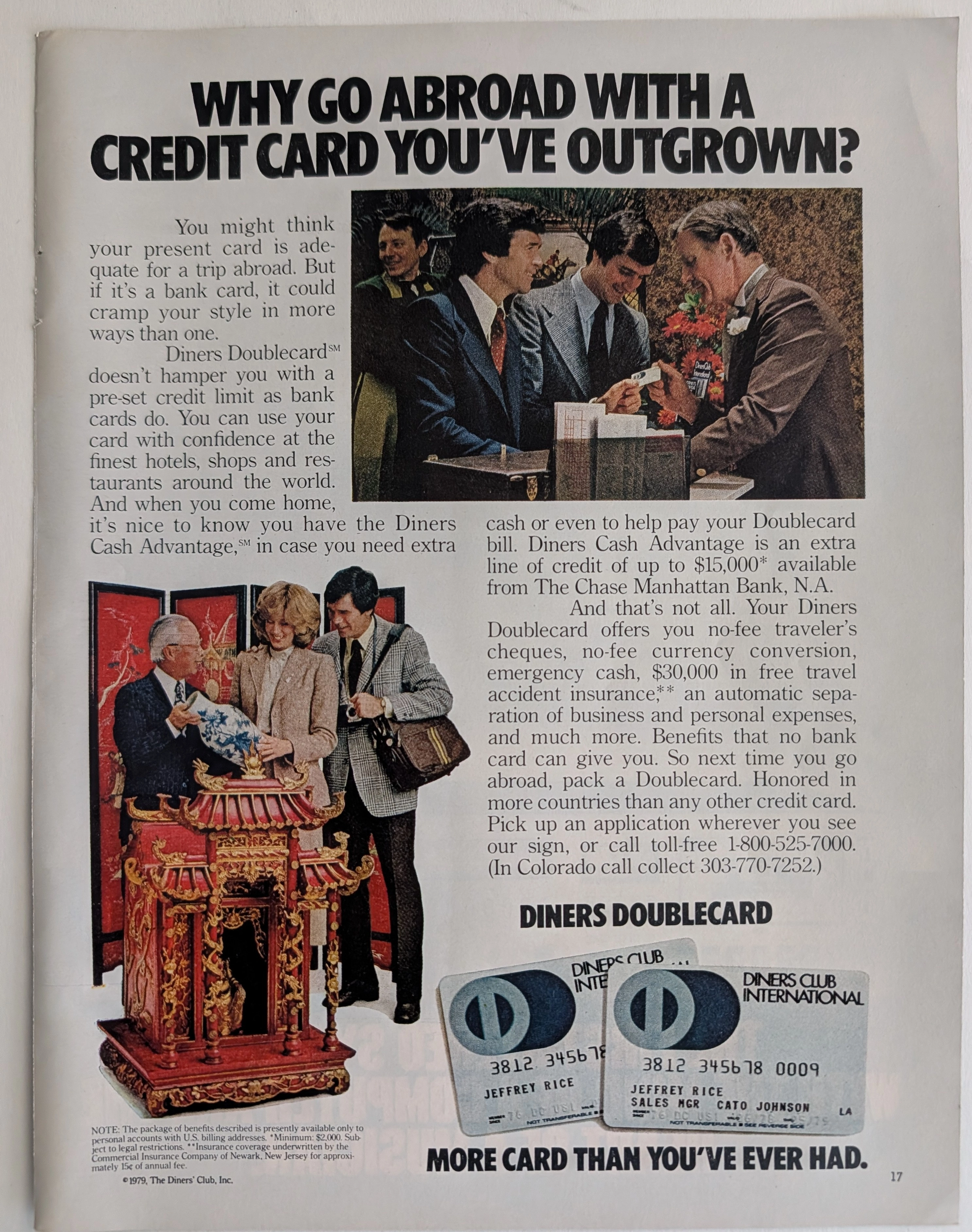
The evolution of the global consumer credit market in the late twentieth century was a fierce, high-stakes battle for the wallets of the expanding middle and upper-executive classes. Elegantly secured upon the analytical table of The Record Institute today is a visually dense, highly informative full-page print advertisement for Diners Club International, conclusively dated to 1979 by its copyright macro. This document transcends a simple financial solicitation; it operates as a sophisticated sociological mirror reflecting the anxieties and aspirations of the late-1970s American traveler. By heavily emphasizing the "Doublecard" innovation—a system providing one card for personal use and a secondary card for corporate expenses—Diners Club executed a targeted psychological marketing campaign against traditional bank cards (Visa and MasterCard). They sold the American consumer on the premise that pre-set spending limits were an insulting hindrance to the true global globetrotter, positioning their charge card as the ultimate, borderless financial passport. This comprehensive, museum-grade dossier conducts a meticulous examination of the artifact, operating under the most rigorous parameters of historical, sociological, and material science evaluation. Dedicating the vast majority of our analytical focus (80%) to its historical gravity, we will decode the brilliant marketing psychology embedded within the copywriting, trace the origins of the Travel and Entertainment (T&E) card industry, and analyze the specific visual semiotics of the exotic travel vignettes. Furthermore, as we venture into the chemical and physical foundations of this analog printed ephemera (10%), we will reveal the precise mechanical fingerprints of the CMYK halftone rosettes captured in the stunning macro imagery of the Asian shrine and the embossed credit cards. Finally, we will assess its archival rarity (10%), exploring how the natural oxidation of the paper substrate cultivates a serene wabi-sabi aesthetic, a phenomenon that provides irrefutable proof of its journey through time and solidifies its value within the elite global spheres of Vintage Commercial Ephemera.
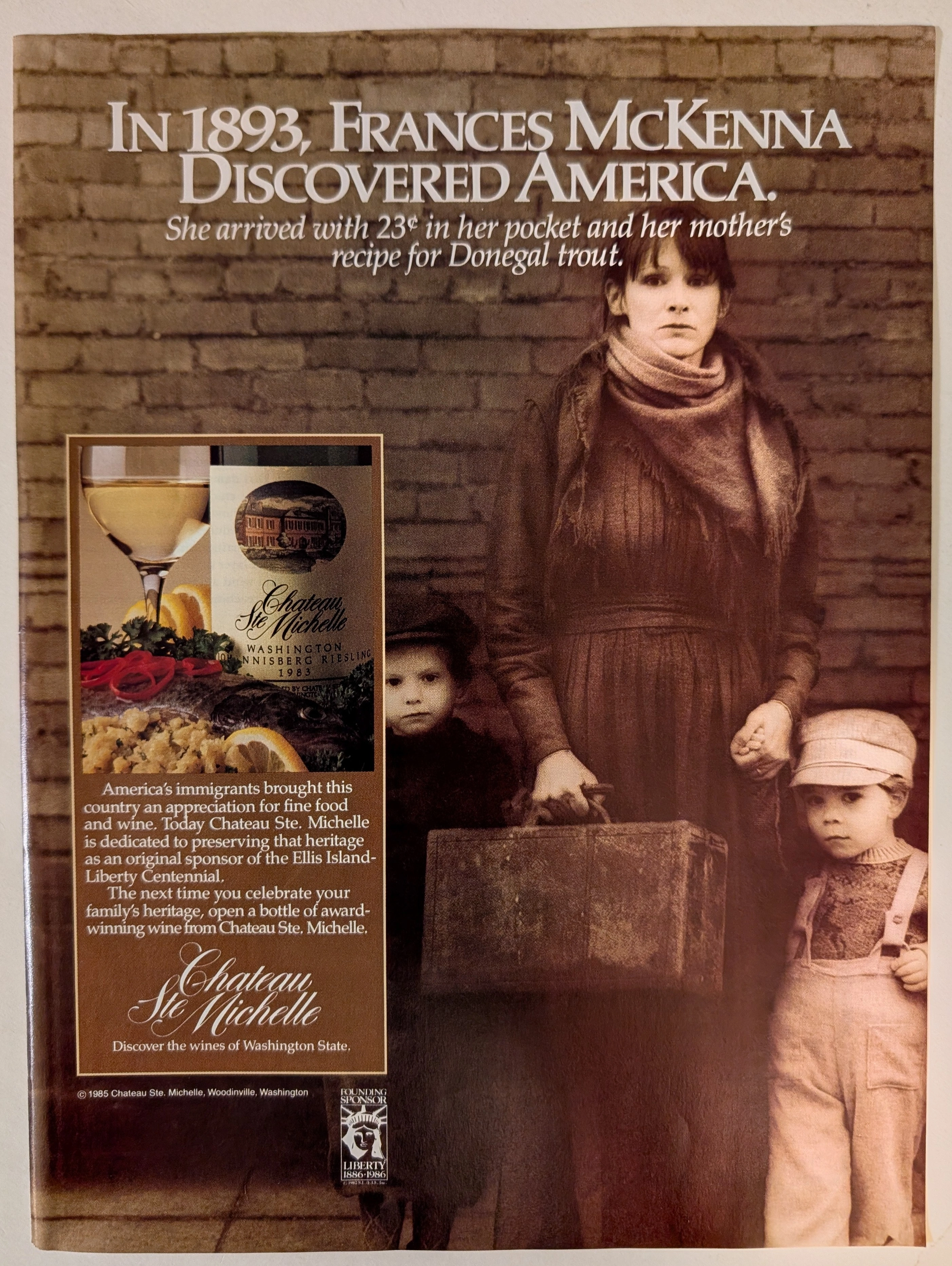
Delve into the archives to explore this definitive 1985 Chateau Ste. Michelle vintage advertisement, a poignant tribute to American immigration and culinary heritage. Released during the ambitious lead-up to the Statue of Liberty's centennial, this piece transcends typical beverage marketing by weaving a grounded narrative around Frances McKenna, an 1893 Irish immigrant. For historians and collectors of vintage ads and old advertisements, this artifact stands as a masterful intersection of historical reverence and premium brand positioning. The campaign beautifully pairs a 1983 Washington Johannisberg Riesling with the enduring legacy of European culinary traditions brought to American shores. Unlike many classic print ads of the era that focused solely on product tasting notes or vineyard terroir, Chateau Ste. Michelle leveraged its role as a Founding Sponsor of the Ellis Island-Liberty Centennial to craft a deeply emotional and culturally resonant message. This document remains a profound testament to the power of heritage marketing in the late 20th century.