THE TIME TRAVELER'S DOSSIER: THE ARCHITECT OF CAPITALISM AND THE AESTHETICS OF RUIN — The Record Institute JournalTHE TIME TRAVELER'S DOSSIER: THE ARCHITECT OF CAPITALISM AND THE AESTHETICS OF RUIN — The Record Institute JournalTHE TIME TRAVELER'S DOSSIER: THE ARCHITECT OF CAPITALISM AND THE AESTHETICS OF RUIN — The Record Institute JournalTHE TIME TRAVELER'S DOSSIER: THE ARCHITECT OF CAPITALISM AND THE AESTHETICS OF RUIN — The Record Institute Journal
1 / 4

✦ 4 Photos — Click any image to view in high resolution

March 7, 2026

THE TIME TRAVELER'S DOSSIER: THE ARCHITECT OF CAPITALISM AND THE AESTHETICS OF RUIN

Archive Views: 9
Heritage AdvertisementsTravel & Tourism

The History

(THE HISTORY: The GM Empire, Sloan’s Scripture, and Weaver’s Brush )

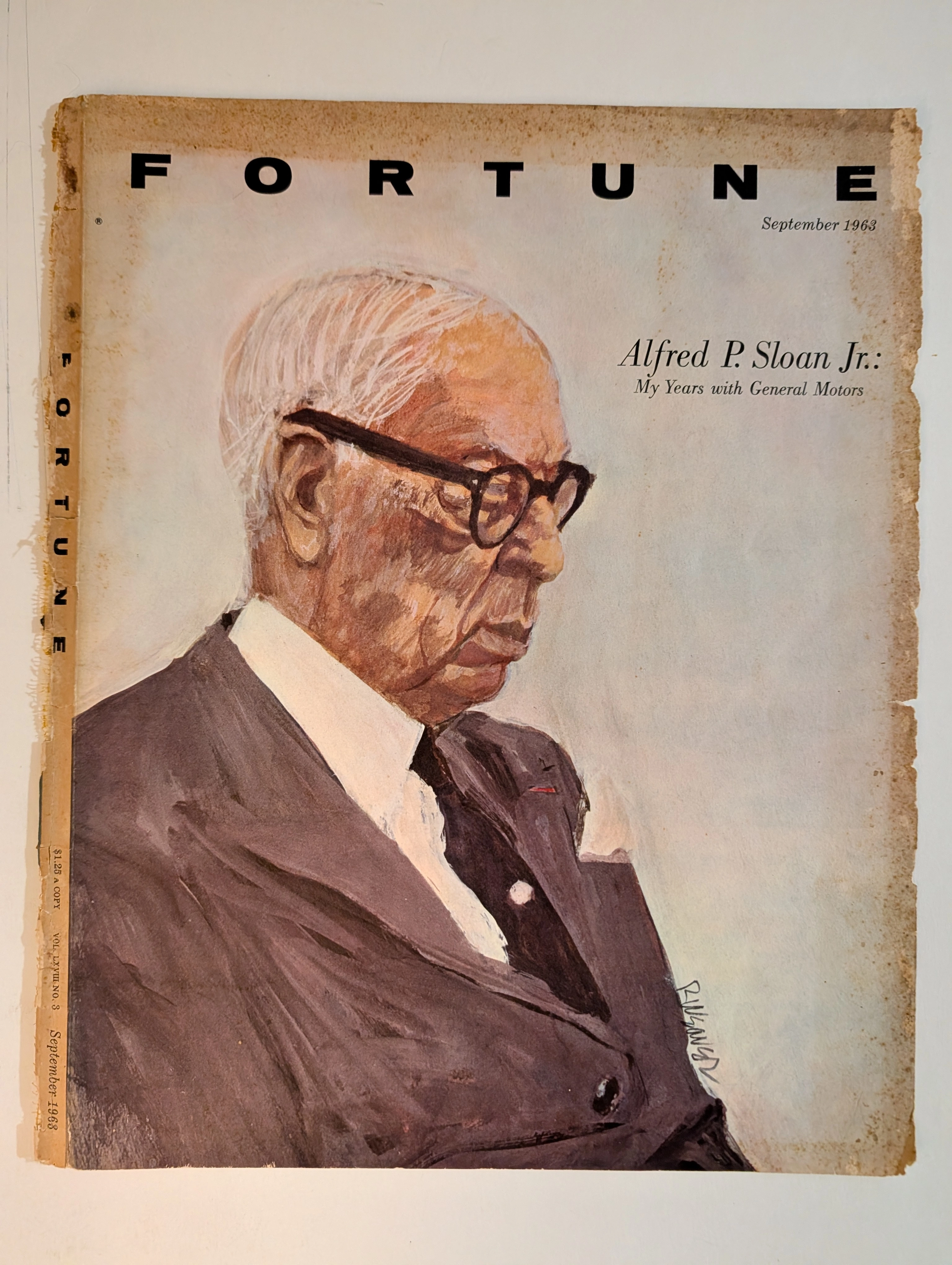
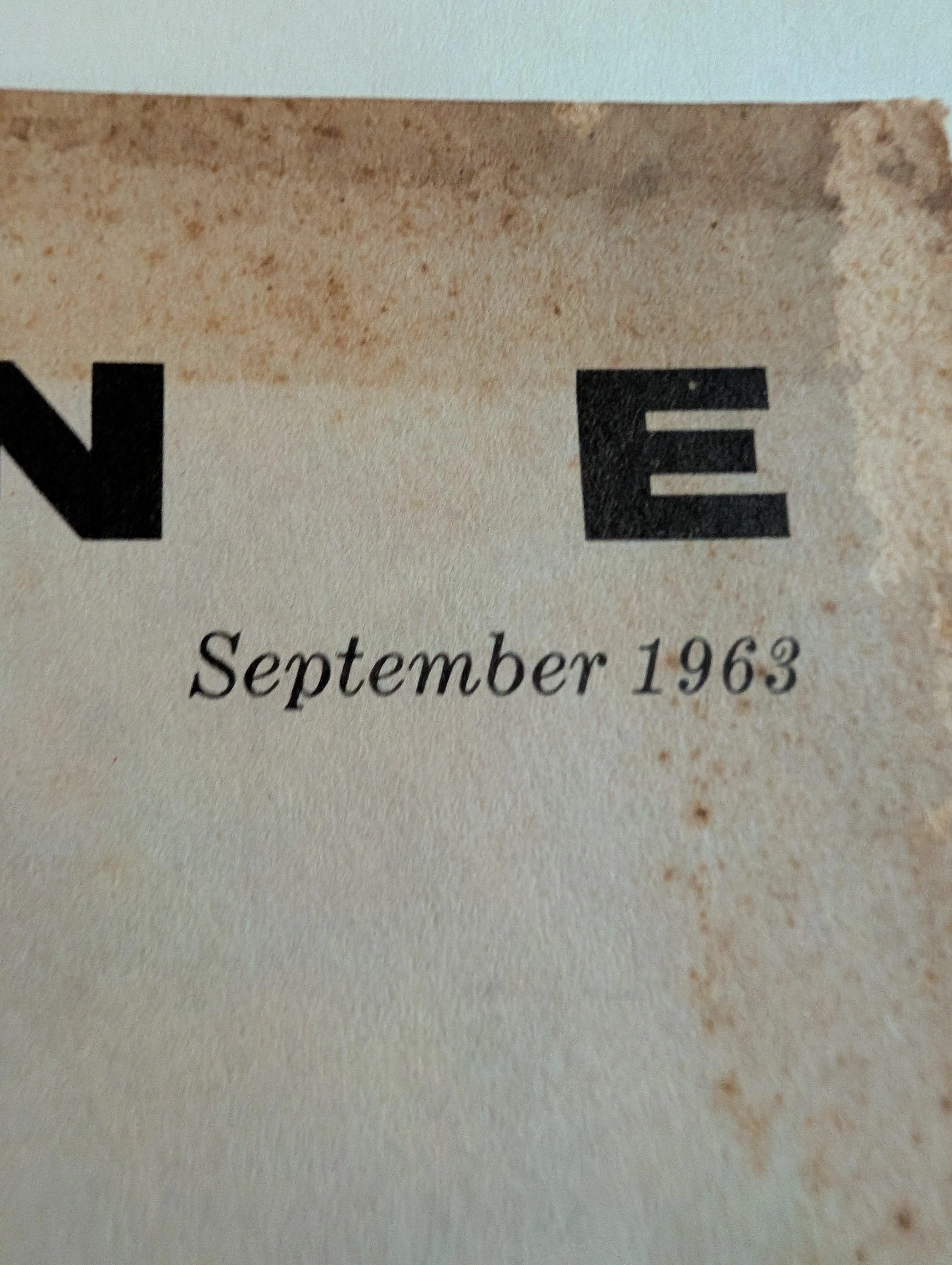
​As the Chief Curator of The Record, I welcome you to the ultimate archive of capitalist history. The impeccably preserved Historical Relic before you is not merely a vintage magazine cover. It is a "Monument of Corporate Blueprinting." This Primary Art Document is the formidable front cover of FORTUNE magazine, dated September 1963—the absolute pinnacle publication for America's corporate elite.
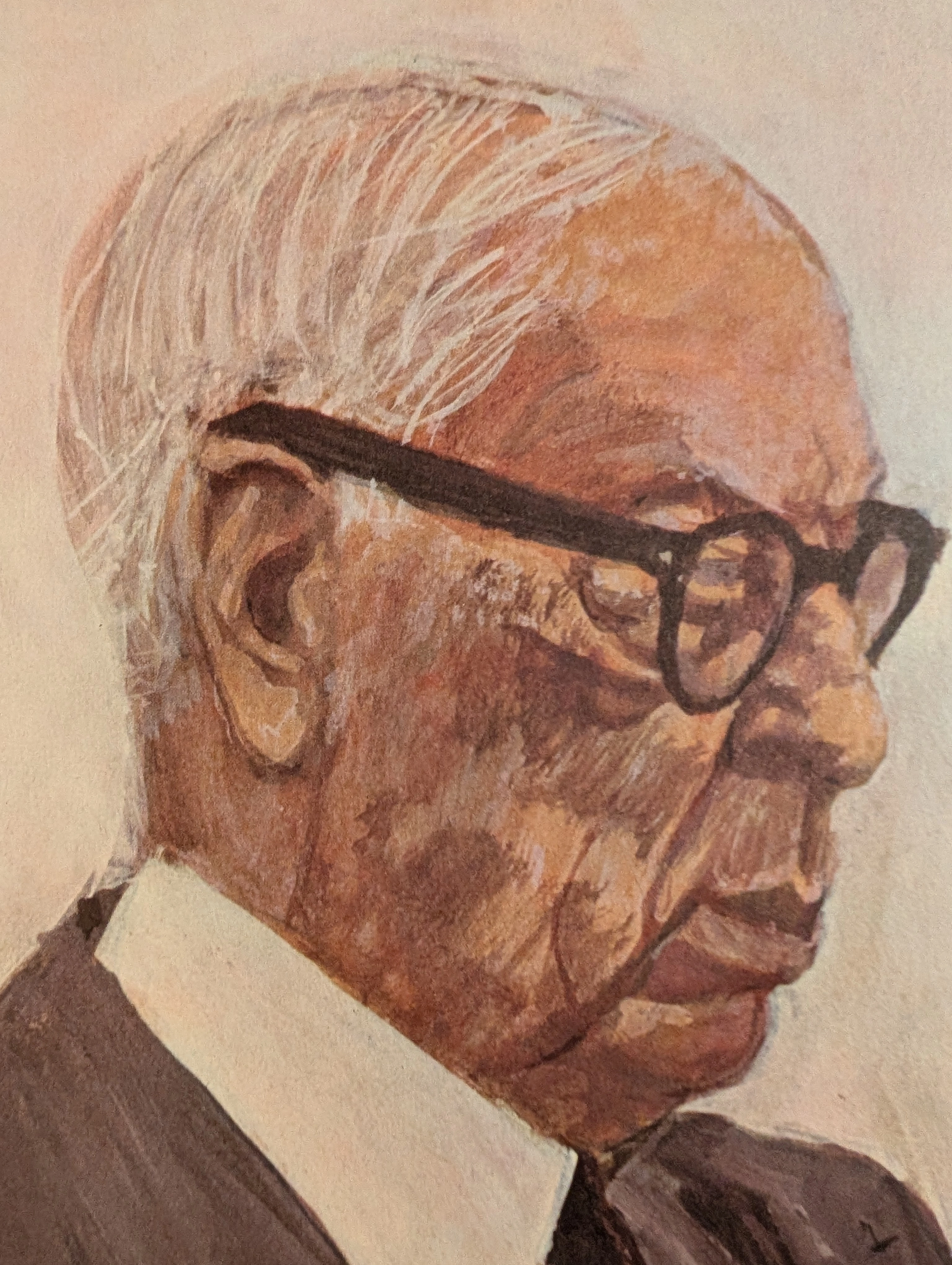
​The bold typography announces: "Alfred P. Sloan Jr.: My Years with General Motors". The elderly, bespectacled man occupying the center of the canvas is a deity of the modern industrial age. Alfred P. Sloan Jr. was the visionary CEO and Chairman who transformed General Motors (GM) into the largest, most dominant corporation on the planet. He single-handedly invented the modern decentralized corporate structure and conceived the brilliant, ruthless strategy of "planned obsolescence" and "a car for every purse and purpose" to finally defeat Henry Ford.

​In 1963, Fortune magazine secured the exclusive rights to serialize Sloan's highly anticipated memoir, My Years with General Motors, within its pages. This very text would go on to become the undisputed "Bible of Business Management," heavily praised by modern titans like Bill Gates. Owning the original cover that heralded the birth of this scripture is akin to possessing a holy relic of commercial history.

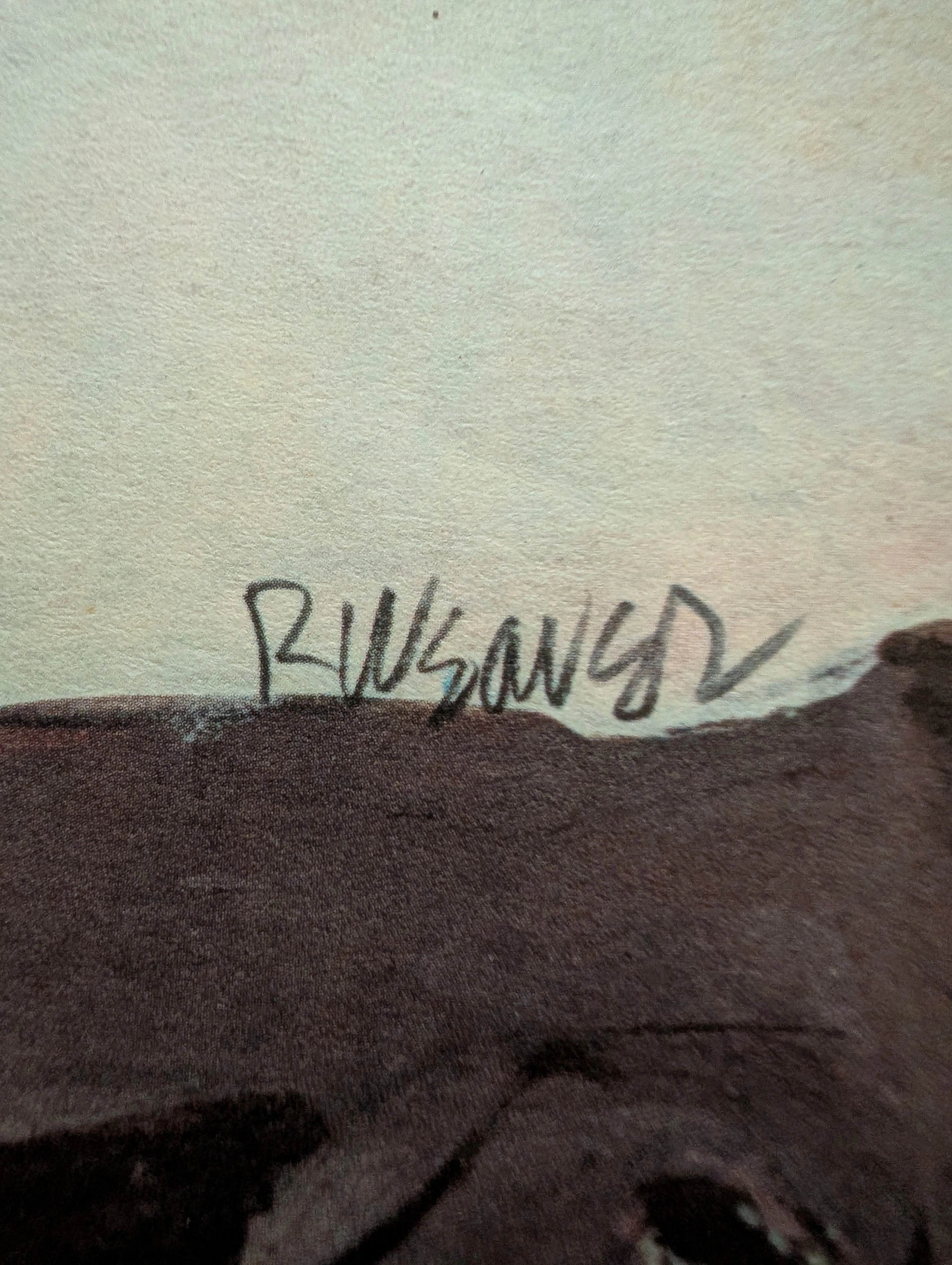
​Furthermore, the evocative, gritty portrait was masterfully executed by Robert Weaver (whose distinctive signature 'R. Weaver' is embedded in the lower right). Weaver was a revolutionary pioneer of "Visual Journalism" in American illustration. He rejected the sanitized, overly polished commercial art of the 1950s, utilizing raw, expressive brushstrokes that captured the authentic, weary psychology of his subjects. Applying this rebellious, expressive fine-art style to the ultimate corporate capitalist creates a staggering historical and artistic juxtaposition.

(THE PAPER: The Aesthetics of Destruction (Wabi-Sabi) — The Collapse of Premium Stock

​At The Record, we do not fetishize pristine, sterile modern reproductions; we fiercely worship the "Scars of Time." This 60-year-old Primary Document is the ultimate physical manifestation of the Japanese philosophy of wabi-sabi—finding profound beauty in impermanence and decay. Fortune utilized a distinctly heavy, premium paper stock to project an aura of unshakeable corporate power. But in the analog world, everything has an expiration date.

​Direct your analytical gaze to the right and bottom margins: witness the severe edge fraying, the jagged paper loss, and the aggressive biological deterioration. This is not damage to be hidden; it is the unforgeable "Signature of History." Over the decades, the inherent lignin within the wood-pulp has engaged in a relentless chemical war with ambient oxygen. This oxidation process has birthed a deep, burning amber patina and moisture mottling that creeps inward from the edges. This profound fragility creates a poetic paradox: while Sloan’s corporate legacy was built to be immortal, the very paper celebrating him is literally burning itself alive at a molecular level. Preserving it is an act of freezing this magnificent chemical destruction in time.

​( THE RARITY: Class A — The Boardroom Artifact )
​Fortune covers, especially those carrying monumental historical texts, were not mass-disposable media; they were hoarded, but rarely survived intact without suffering catastrophic environmental damage. The survival of this specific Primary Document—documenting the debut of the greatest business book of the 20th century and painted by a legendary illustrator—elevates it to the highest echelons of archival collecting.

​Fusing its paramount importance to the history of global corporate management, the prestige of Robert Weaver’s fine art, and the breathtaking visual trauma of its analog decay, this artifact unequivocally commands a Rarity Class A designation. It has evolved far beyond commercial ephemera. It is a highly coveted Historical Relic, demanding to be framed and possessed by a discerning visionary who understands the heavy, beautiful weight of capitalist history.

Share This Archive

The Archive Continues

Continue the Exploration
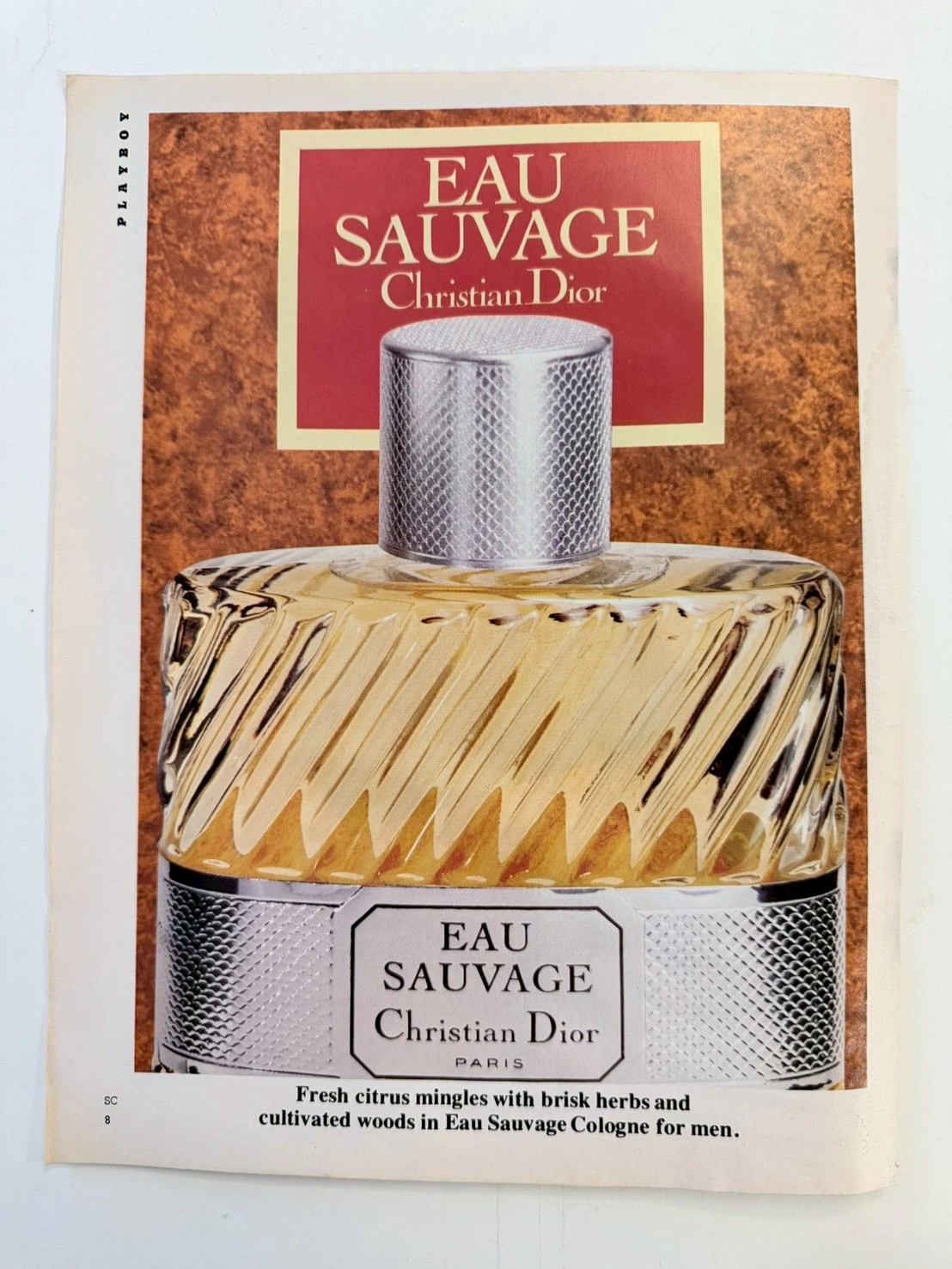
THE TIME TRAVELER'S DOSSIER: THE DAWN OF ELEGANCE AND THE EXTINCT $1,500 HOLY GRAIL

THE TIME TRAVELER'S DOSSIER: THE DAWN OF ELEGANCE AND THE EXTINCT $1,500 HOLY GRAIL

The artifact under museum-grade analysis is an exceptionally preserved Historical Relic originating from the golden age of analog publishing—a vintage issue of PLAYBOY magazine (circa late 1960s to 1970s). It features a striking, deeply sophisticated advertisement for one of the most revolutionary men's fragrances in modern human history: EAU SAUVAGE by Christian Dior. ​This Primary Art Document does not merely advertise a grooming product; it serves as a tangible historical marker of a monumental cultural paradigm shift. Prior to its introduction in 1966, men's fragrances were exclusively heavy, musky, and brutally spiced. Eau Sauvage, formulated by the legendary Master Perfumer Edmond Roudnitska, shattered this archaic mold by introducing Hedione (an airy, luminous synthetic jasmine compound) to men's perfumery, forever altering the trajectory of the global fragrance industry. ​Crucially, the original mid-century formulation and the specific ribbed-glass bottle design depicted in this artifact are permanently discontinued and lost to time. Modern reformulations driven by strict chemical regulations (such as the banning of natural oakmoss) have forever altered Roudnitska's original masterpiece. Consequently, surviving vintage bottles of this exact era have achieved mythical "Holy Grail" status, currently commanding astronomical prices of up to $1,500 USD in the global collector's market. This transforms the preserved advertisement from a commercial print into an invaluable piece of historical provenance—a birth certificate for an extinct luxury. ​Rescued from destruction and preserved as a standalone Archival Artifact, the inherently acidic, glossy paper stock of the mid-century era is undergoing a slow, breathtaking chemical degradation. This natural aging process (oxidation and lignin breakdown) transforms the mass-produced print into an irreplaceable, ready-to-frame Primary Art Document, embodying the ultimate aesthetic of analog impermanence.
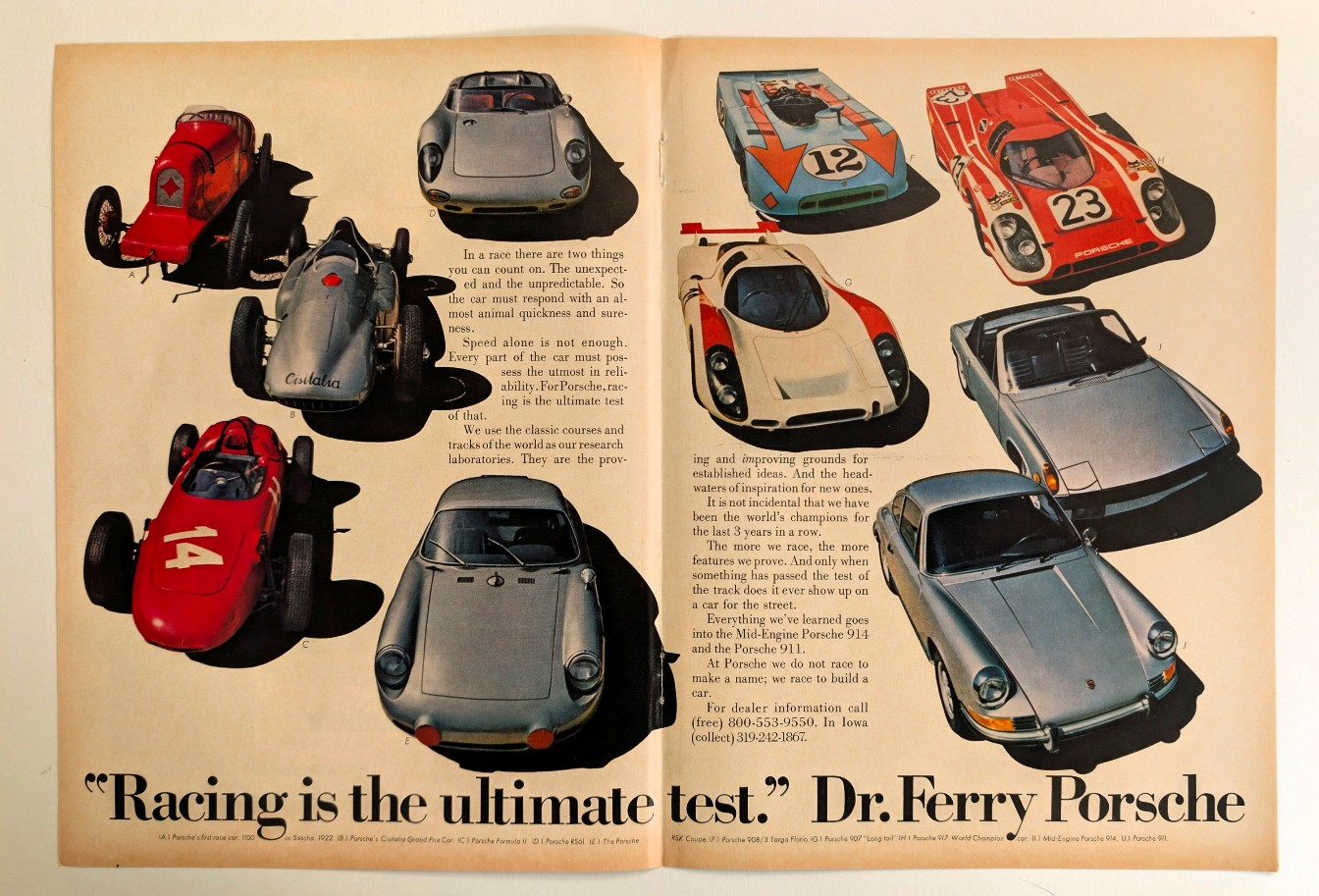
"The Bloodline of Champions: Ferry Porsche's Ultimate Test"

"The Bloodline of Champions: Ferry Porsche's Ultimate Test"

Uncovering the historical lineage of Porsche's motorsport dominance, from the 1922 Sascha to the legendary 917, and how track technology forged the 911.
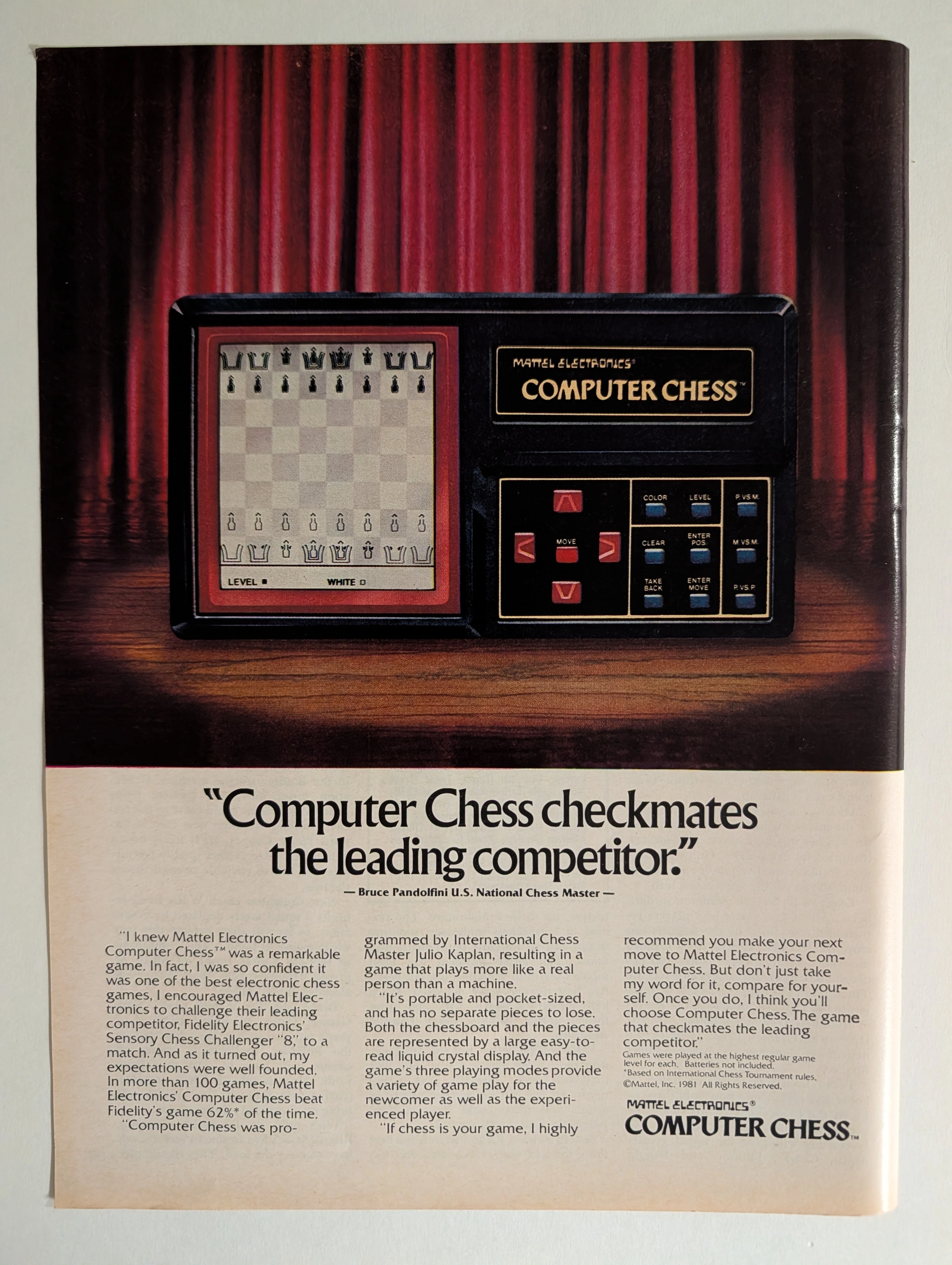
Mattel Electronics Computer Chess 1981 Full-Page Ad | Bruce Pandolfini | Julio Kaplan | Chess AI History | Deep Analysis Rarity Class A

Mattel Electronics Computer Chess 1981 Full-Page Ad | Bruce Pandolfini | Julio Kaplan | Chess AI History | Deep Analysis Rarity Class A

The advertisement analyzed here is a full-page full-color magazine advertisement for the Mattel Electronics Computer Chess™ handheld/tabletop electronic game, copyright © Mattel, Inc. 1981. The ad ran in major American consumer magazines during 1981–1982 — the golden apex of the first electronic game boom. It features a dramatic theatrical photograph of the device spotlit against red velvet curtains on a wooden stage, with a bold competitive claim endorsed by U.S. National Chess Master Bruce Pandolfini: that Mattel's Computer Chess beat Fidelity Electronics' Sensory Chess Challenger '8' in more than 62% of over 100 head-to-head games. The ad also credits International Chess Master Julio Kaplan as programmer. This single page represents the intersection of early consumer AI history, 1980s toy advertising at its most theatrical, and a pivotal moment in the chess-computer arms race that prefigured Deep Blue.
Published by

The Record Institute

Taxonomy Match

Related Articles

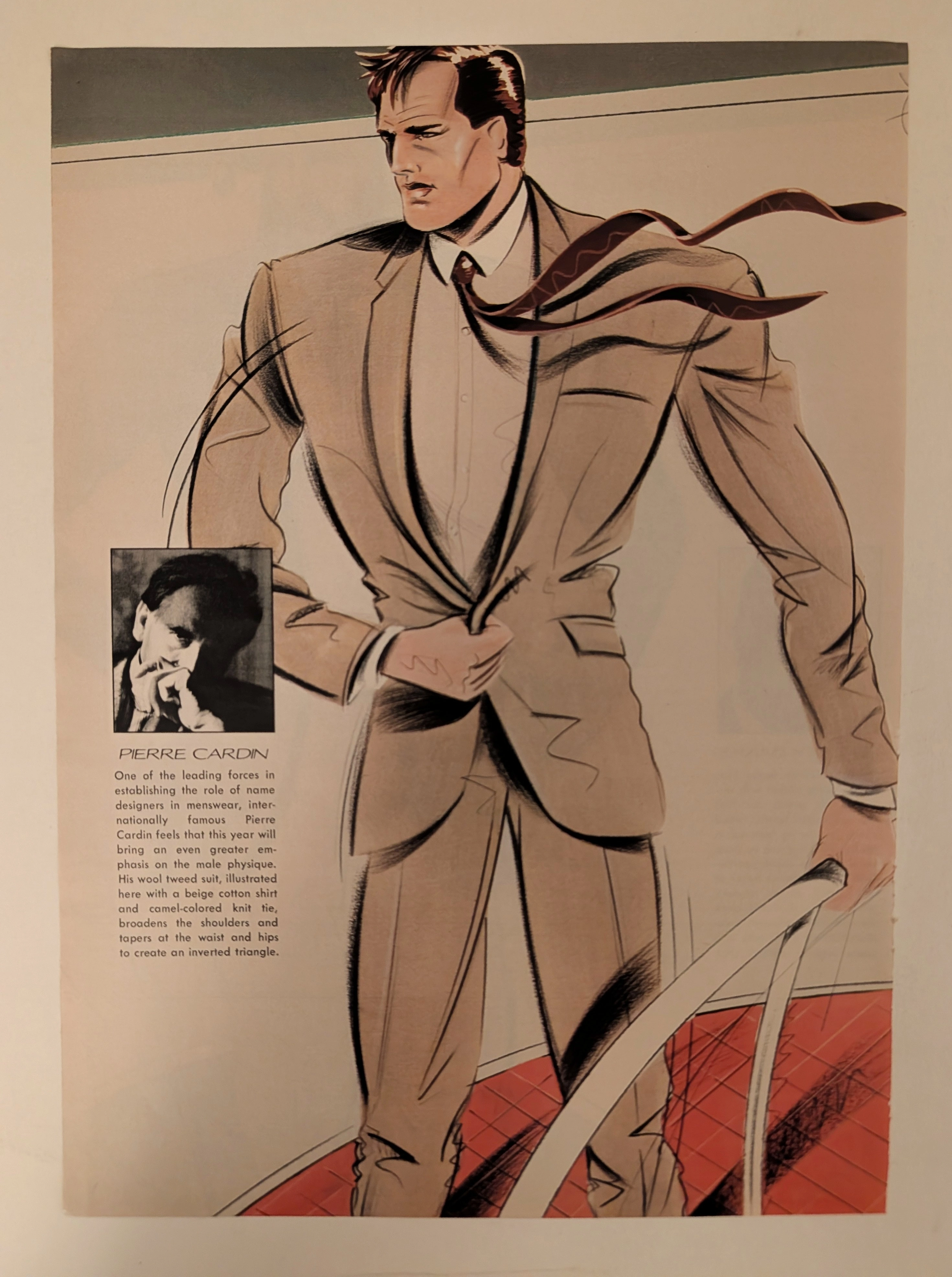
The Time Traveller's Dossier: The Architecture of Masculine Dominance – Pierre Cardin Editorial Illustration (Circa 1980s) — related article
Read Article

The Time Traveller's Dossier: The Architecture of Masculine Dominance – Pierre Cardin Editorial Illustration (Circa 1980s)

History is not merely written; it is tailored, draped, and aggressively padded at the shoulders. Long before digital algorithms dictated the sterile parameters of modern menswear, and before the casualization of the corporate wardrobe stripped the modern executive of his sartorial armor, societal engineering was executed through the calculated geometry of the designer suit. The historical artifact before us is not a mere disposable magazine tear sheet; it is a perfectly weaponized blueprint of 1980s hyper-masculinity, a visual manifesto of corporate dominance, and an unwavering testament to an era when clothing was utilized as a tool for physical and psychological intimidation. ​This museum-grade, academic archival dossier presents an exhaustive deconstruction of a late-analog editorial illustration featuring the revolutionary menswear of Pierre Cardin, dating to the pivotal "Power Suit" era of the 1980s. Operating on a profound, ruthless binary structure, this document records a calculated paradigm shift within the global fashion industry. It captures the precise historical fracture where menswear transitioned conceptually from the conservative, conformity-driven "Organization Man" of the mid-20th century into the aggressive, space-commanding "Power Broker" of the 1980s. Through the highly specialized lens of late-analog commercial artistry and stringent visual forensics, this document serves as a masterclass in the psychological marketing of gender and power. It established the foundational archetype for the modern, alpha-male aesthetic—an archetype that unconditionally dictates the visual and strategic totems of corporate dominance even today.

THE TIME TRAVELER'S DOSSIER: THE FALLEN IDOL AND THE MASTER'S REBELLION — related article
Read Article

THE TIME TRAVELER'S DOSSIER: THE FALLEN IDOL AND THE MASTER'S REBELLION

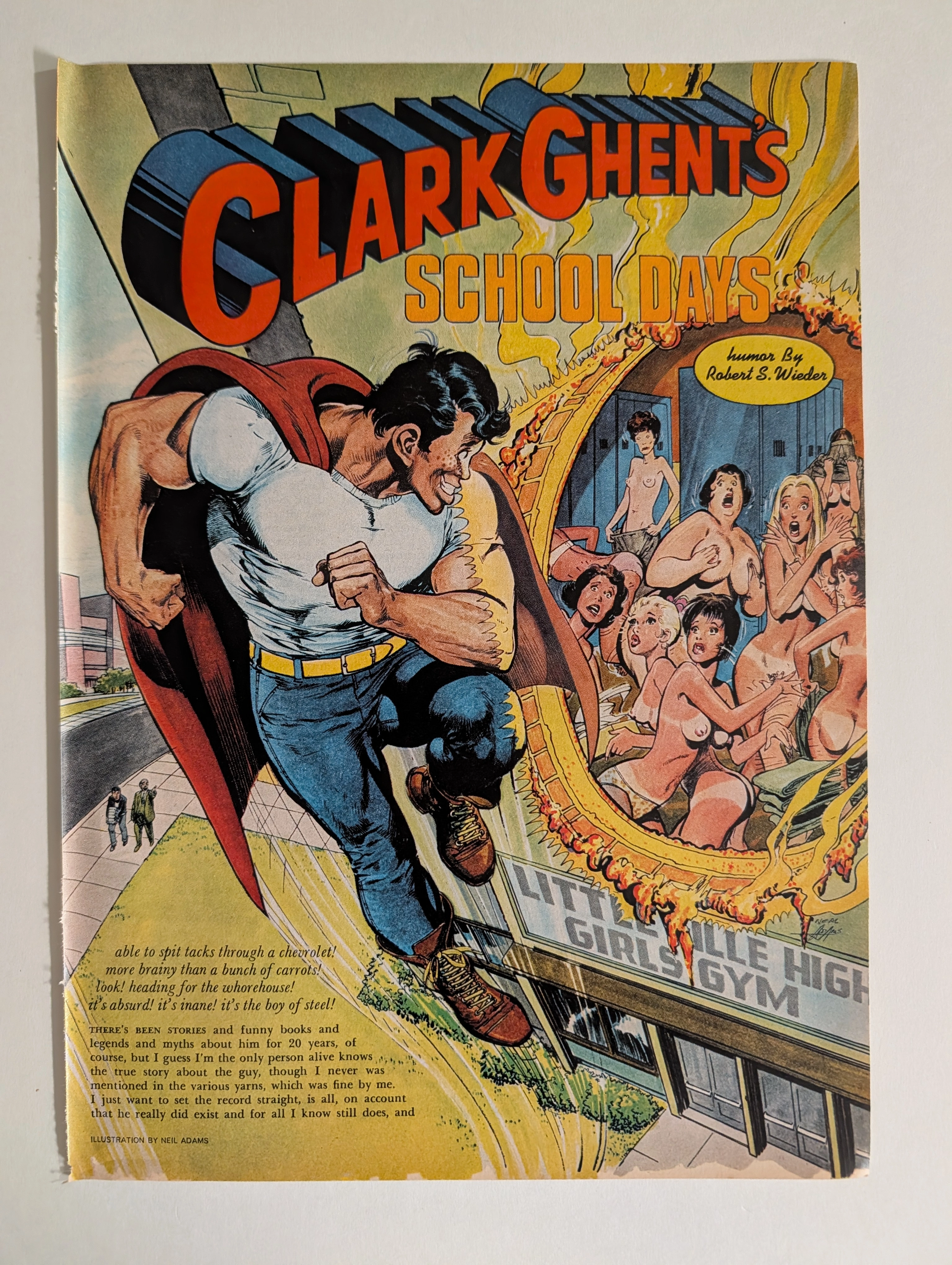
The artifact under rigorous, museum-grade analysis is an exceptionally preserved Historical Relic originating from the unapologetic, counter-cultural zenith of 1970s American underground publishing. It features a full-page, breathtakingly subversive illustration titled "CLARK GHENT'S SCHOOL DAYS", masterfully rendered by the legendary comic book artist Neal Adams (credited in the print with the common underground misspelling 'Neil Adams'), accompanied by the biting satirical prose of Robert S. Wieder. ​This Primary Art Document represents a ferocious, calculated deconstruction of American mythology. Neal Adams—the visionary architect who defined the heroic, hyper-realistic, and idealized versions of Batman, Superman, and Green Lantern during the Bronze Age of Comics—utilizes his unparalleled dynamic style to mercilessly parody the "Man of Steel." By depicting "Clark Ghent" utilizing his god-like powers (heat and x-ray vision) to melt through the brick wall of the "Littleville High Girls Gym" to fulfill base, voyeuristic desires, this artifact shatters the wholesome, censorship-heavy constraints of the Comics Code Authority (CCA). ​Rescued from the incinerators of history and meticulously preserved as a standalone Archival Artifact, the inherently acidic wood-pulp paper is undergoing a slow, magnificent chemical degradation. This natural aging process—visible in the warm amber patina, the oxidized margins, and the fragile tactile feedback of the fibers—transforms a disposable piece of 1970s underground rebellion into an irreplaceable, frame-ready Primary Art Document of immense cultural weight.

THE TIME TRAVELER'S DOSSIER: THE ILLUSION OF FRAGILITY AND THE ARCHITECTURE OF 60S BEAUTY — related article
Read Article

THE TIME TRAVELER'S DOSSIER: THE ILLUSION OF FRAGILITY AND THE ARCHITECTURE OF 60S BEAUTY

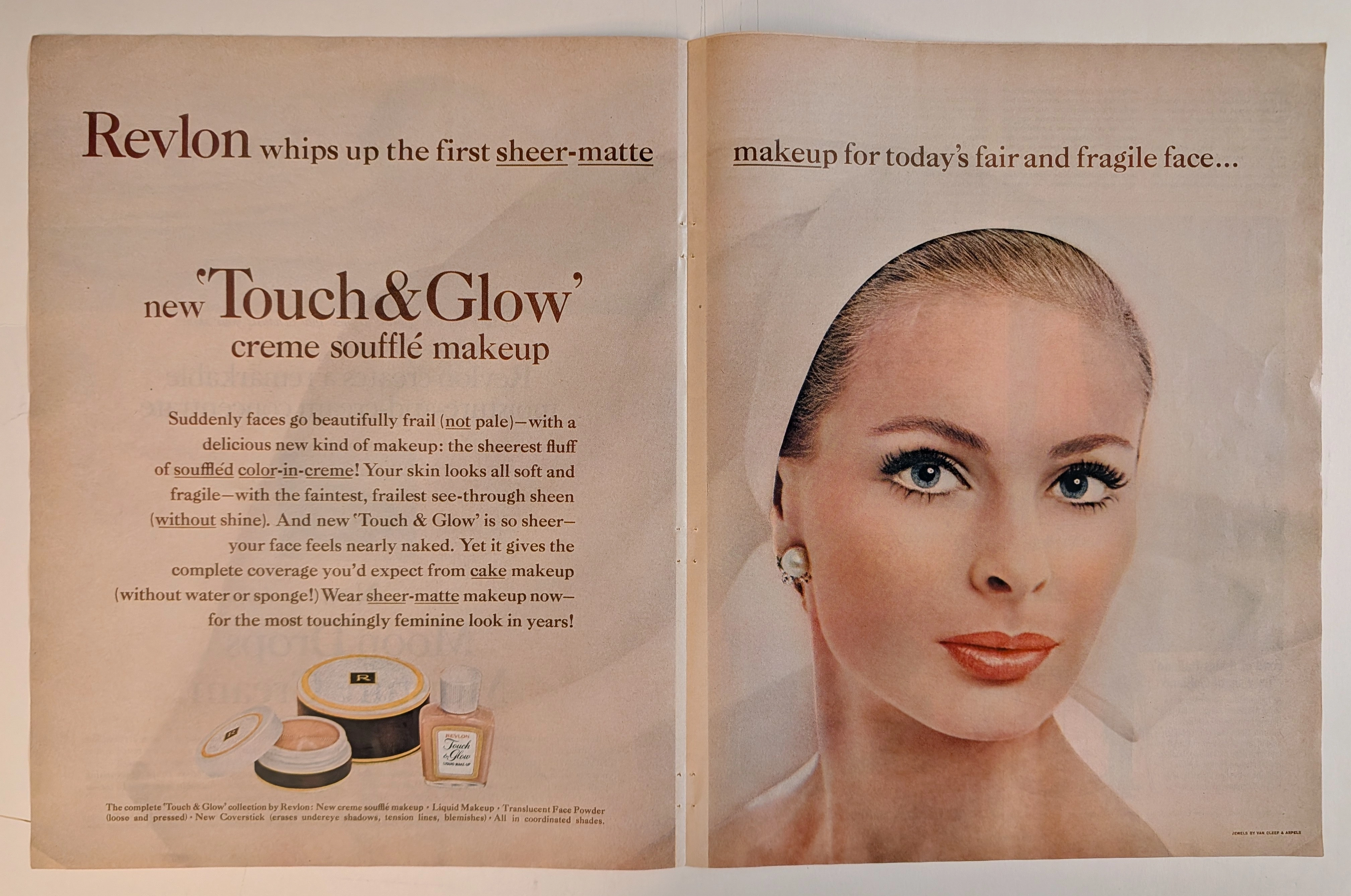
The artifact under rigorous, museum-grade analysis is a breathtaking, meticulously preserved Double-Page Historical Relic originating from the glamorous, highly engineered world of early 1960s American publishing. It features a sweeping, visually arresting advertisement for Revlon's "Touch & Glow" creme soufflé makeup. ​This Primary Art Document is not merely a cosmetic promotion; it is a profound sociological blueprint of mid-century feminine ideals. The ad's commanding copy, declaring makeup for "today's fair and fragile face," perfectly encapsulates the era's prescribed aesthetic: an aristocratic, porcelain delicacy juxtaposed with the striking, graphic eye makeup synonymous with the early 1960s. ​Crucially, this artifact documents the absolute genius of Charles Revson’s psychological marketing. By explicitly styling the model with "JEWELS BY VAN CLEEF & ARPELS" (as verified by the microscopic credit in the bottom right corner and the exquisite pearl/diamond earring), Revlon brilliantly anchored its accessible consumer cosmetics to the highest echelons of European haute joaillerie. ​Rescued from the binding of a forgotten periodical, this expansive double-page spread is printed on inherently acidic, mass-market wood-pulp paper. It is currently undergoing a slow, majestic chemical degradation. This natural oxidation—visible in the warm ivory patina and the delicate aging of the central seam—transforms a disposable commercial message into an irreplaceable, ready-to-frame Primary Art Document of mid-century beauty history.

THE TIME TRAVELER'S DOSSIER: THE ENGINEERING OF IMMORTALITY AND ARISTOCRATIC AESTHETICS — related article
Read Article

THE TIME TRAVELER'S DOSSIER: THE ENGINEERING OF IMMORTALITY AND ARISTOCRATIC AESTHETICS

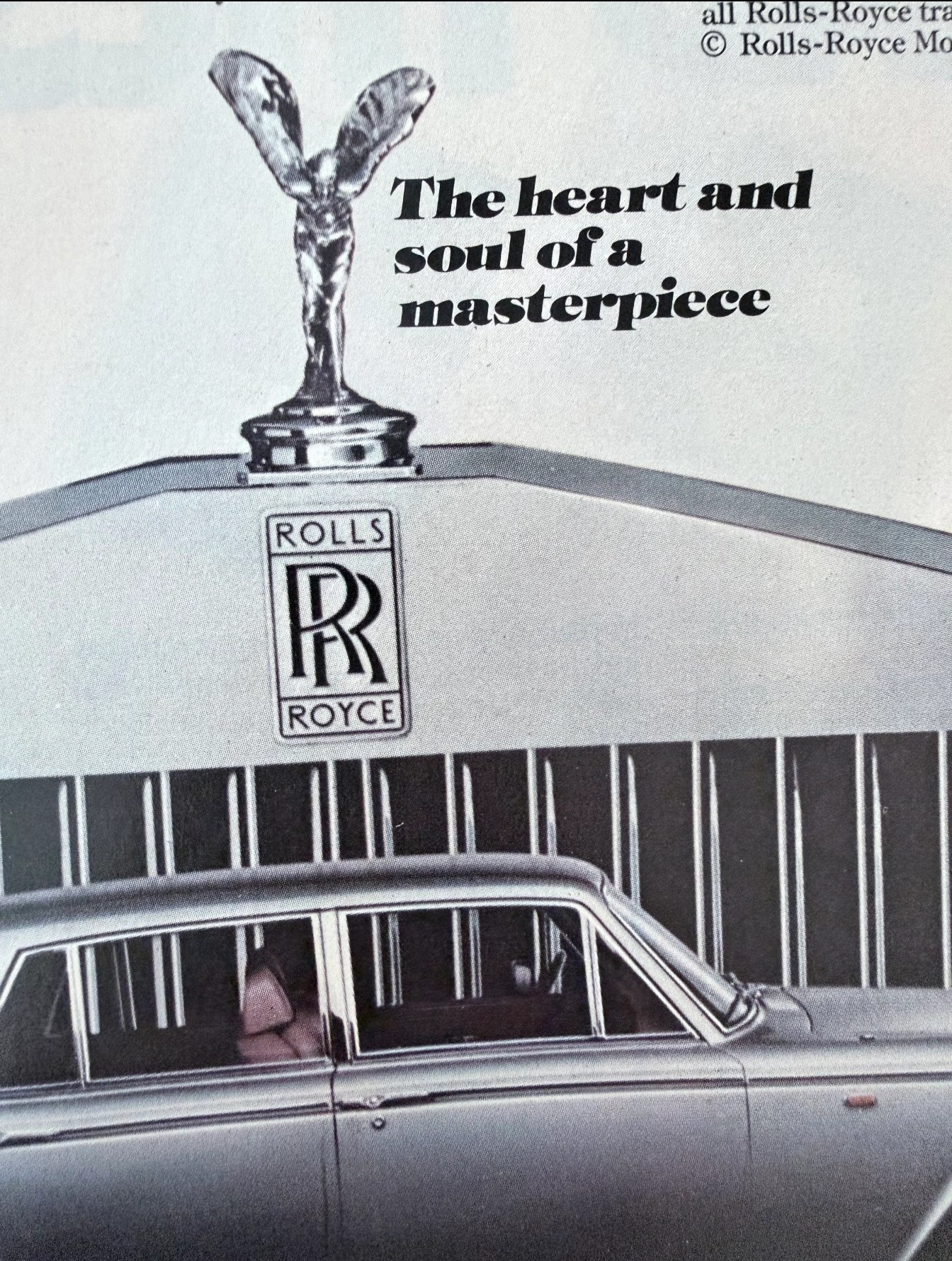
The artifact under exhaustive, uncompromising, and unprecedented museum-grade analysis is an exceptionally preserved Historical Relic originating from the absolute zenith of British automotive engineering and aristocratic luxury. This Primary Art Document is a monumental, full-page theatrical advertisement for the Rolls-Royce Silver Shadow II, forensically and definitively dated to 1977 by the explicit copyright text: "© Rolls-Royce Motors Inc. 1977". ​This is not a mere car advertisement; it is a "Forensic Manifesto of Absolute Perfection." Published twelve years after the conception of the original 1965 edition, this document heralds the arrival of the refined Silver Shadow II. It aggressively weaponizes the brand's legacy, explicitly stating that more than half of all Rolls-Royce motor cars built since 1904 were still "humming along" in 1977. The visual architecture is dominated by the legendary "Spirit of Ecstasy" mascot, described here as "The heart and soul of a masterpiece", standing guard over the iconic Parthenon-inspired radiator grille. ​Rescued from the binding of a prestige 1970s periodical, this pre-2000s analog artifact exhibits a beautifully authentic warm ivory oxidation across its surface. This majestic chemical aging transforms a mass-produced piece of luxury propaganda into an irreplaceable, ready-to-frame Primary Art Document of automotive and sociological history. ​Quick-Reference Summary Table

The Time Traveller's Dossier: The Oil Baron's Chariot – 1970s "HOU$TON" Editorial Illustration — related article
Read Article

The Time Traveller's Dossier: The Oil Baron's Chariot – 1970s "HOU$TON" Editorial Illustration

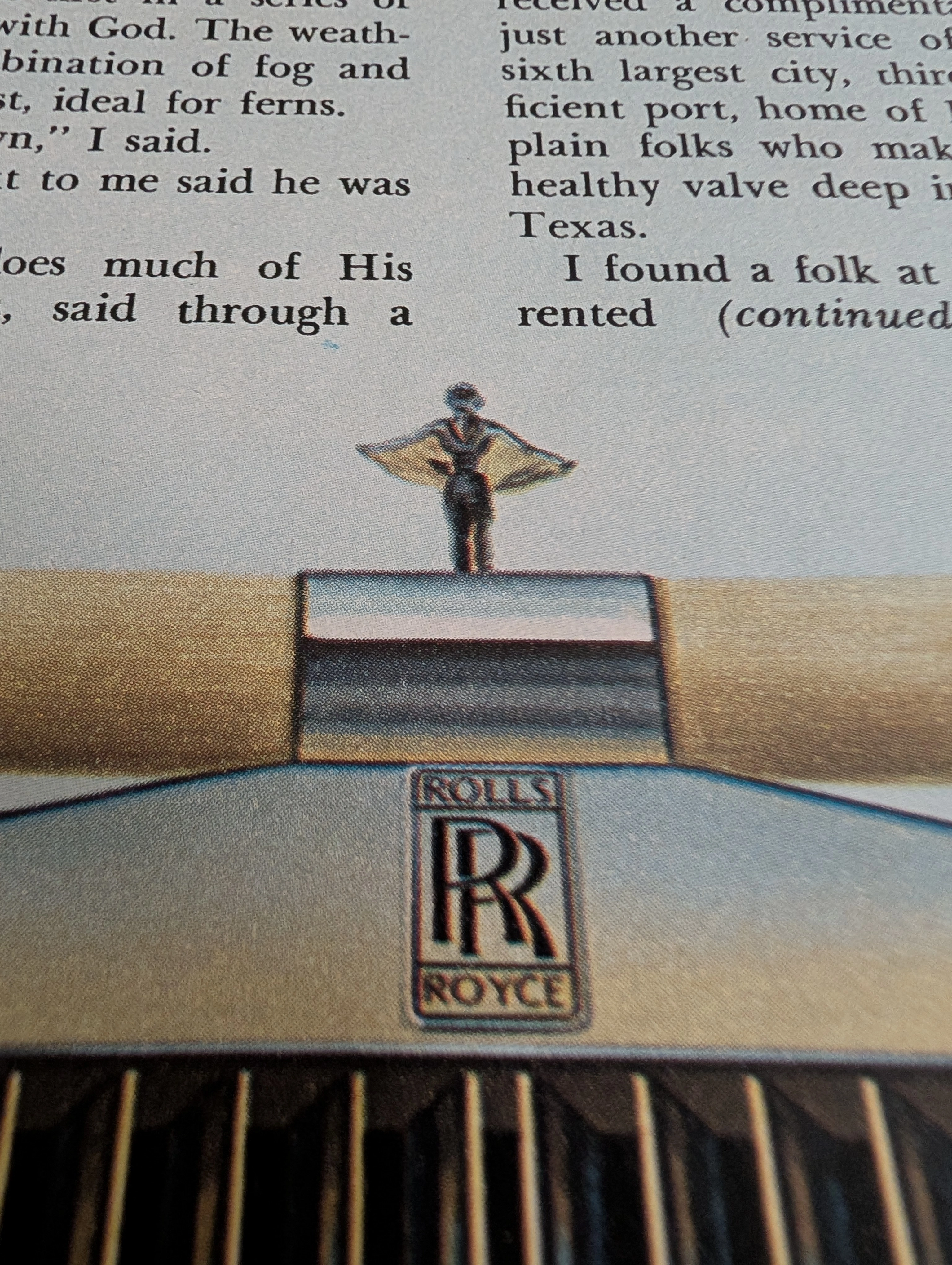
History is not written; it is printed. Before digital algorithms dictated human behavior, societal engineering was executed through the calculated geometry of the four-color offset press. The historical artifact before us is not merely a magazine editorial illustration; it is a weaponized blueprint of American myth-making and a testament to the era of unchecked petro-wealth. This museum-grade archival dossier presents an academic deconstruction of a 1970s print feature on Houston, Texas, brilliantly illustrated by the legendary Eraldo Carugati. Operating on a profound binary structure, it documents a calculated paradigm shift in the global perception of wealth. It illustrates the precise historical fracture where the "Texas Oil Boom" transitioned from a regional economic event into a larger-than-life cultural archetype. Through the lens of late-analog commercial artistry and precise visual forensics, this document serves as a masterclass in psychological semiotics, establishing the visual tropes of the brash, high-rolling American Wildcatter that unconditionally dominates modern pop culture.

The Time Traveller's Dossier: The Semantics of Arrogance – JOY de Jean Patou Advertisement (Circa 1980s) — related article
Read Article

The Time Traveller's Dossier: The Semantics of Arrogance – JOY de Jean Patou Advertisement (Circa 1980s)

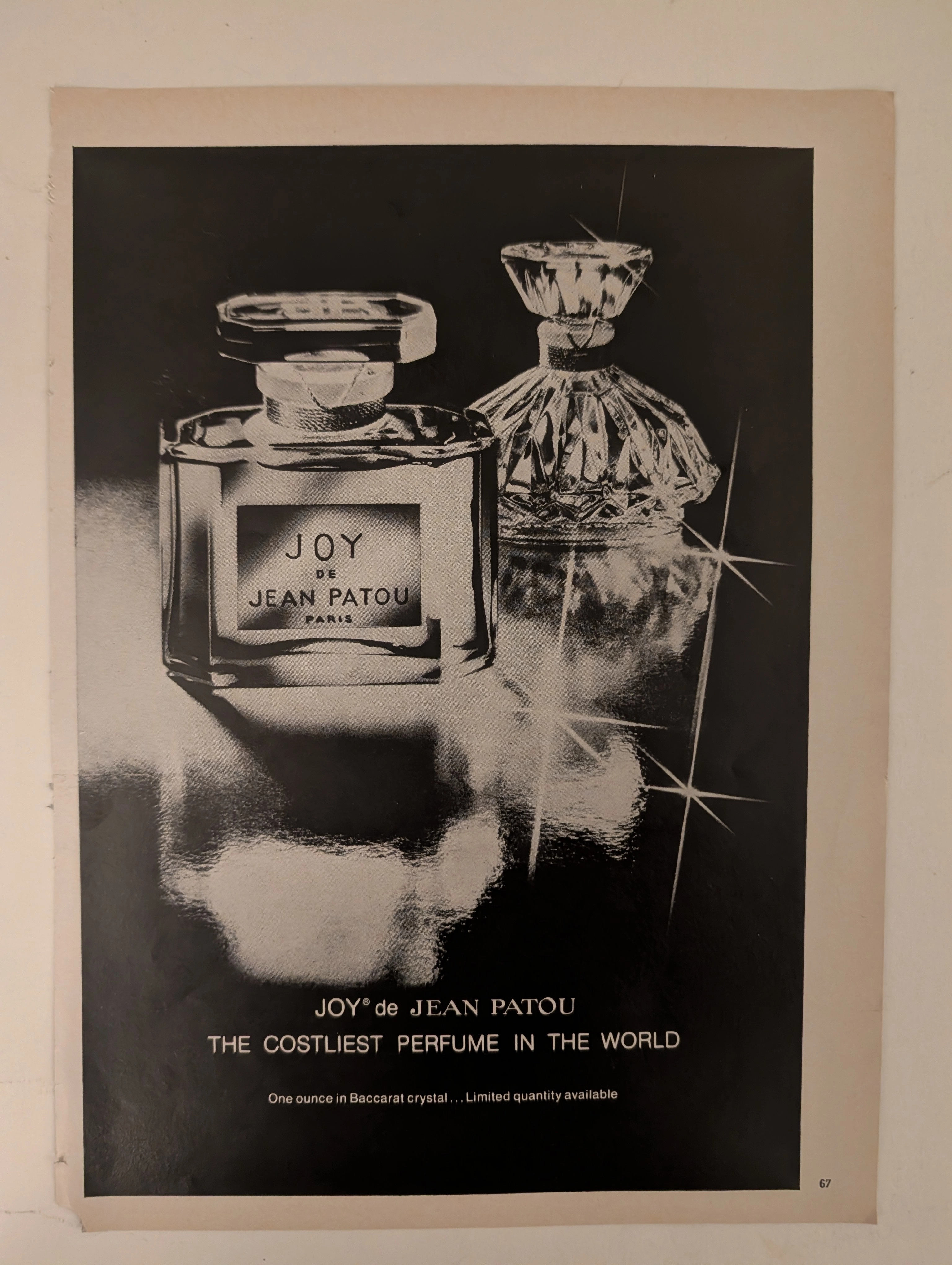
History is not written by the victors; it is printed by the industrialists. Long before digital algorithms began to sterilely dictate human consumption and virtual reality stripped away authentic tactile sensation, societal engineering and consumer psychology were executed through the calculated, mathematical geometry of the four-color offset press and the absolute mastery of analog darkroom photography. The historical artifact before us is not merely a disposable magazine tear sheet meant to peddle a fragrance. It is a perfectly weaponized blueprint of absolute capitalist supremacy, a visual declaration of class warfare, and an unwavering testament to an era of uncompromising, unapologetic ultra-luxury. This museum-grade, academic archival dossier presents an exhaustive deconstruction of a late-analog print advertisement for the legendary fragrance "JOY de Jean Patou," dating from the late 1970s to the early 1980s. Operating on a profound and ruthless binary structure, this document records a calculated paradigm shift within the global luxury goods industry. It captures the precise historical fracture where luxury transitioned conceptually from being a mere indicator of high-quality craftsmanship into a blatant, arrogant weapon of socioeconomic exclusion. Through the highly specialized lens of late-analog commercial artistry and stringent visual forensics, this document serves as a masterclass in psychological marketing. It established the foundational archetype for selling astronomically priced, exclusionary items—an archetype that unconditionally dictates the visual and strategic totems of modern ultra-luxury brands today.