"The Bloodline of Champions: Ferry Porsche's Ultimate Test" — The Record Institute Journal"The Bloodline of Champions: Ferry Porsche's Ultimate Test" — The Record Institute Journal"The Bloodline of Champions: Ferry Porsche's Ultimate Test" — The Record Institute Journal"The Bloodline of Champions: Ferry Porsche's Ultimate Test" — The Record Institute Journal"The Bloodline of Champions: Ferry Porsche's Ultimate Test" — The Record Institute Journal"The Bloodline of Champions: Ferry Porsche's Ultimate Test" — The Record Institute Journal"The Bloodline of Champions: Ferry Porsche's Ultimate Test" — The Record Institute Journal"The Bloodline of Champions: Ferry Porsche's Ultimate Test" — The Record Institute Journal"The Bloodline of Champions: Ferry Porsche's Ultimate Test" — The Record Institute Journal"The Bloodline of Champions: Ferry Porsche's Ultimate Test" — The Record Institute Journal
1 / 10

✦ 10 Photos — Click any image to view in high resolution

February 20, 2026

"The Bloodline of Champions: Ferry Porsche's Ultimate Test"

Archive Views: 6
Heritage AdvertisementsLuxury

The History

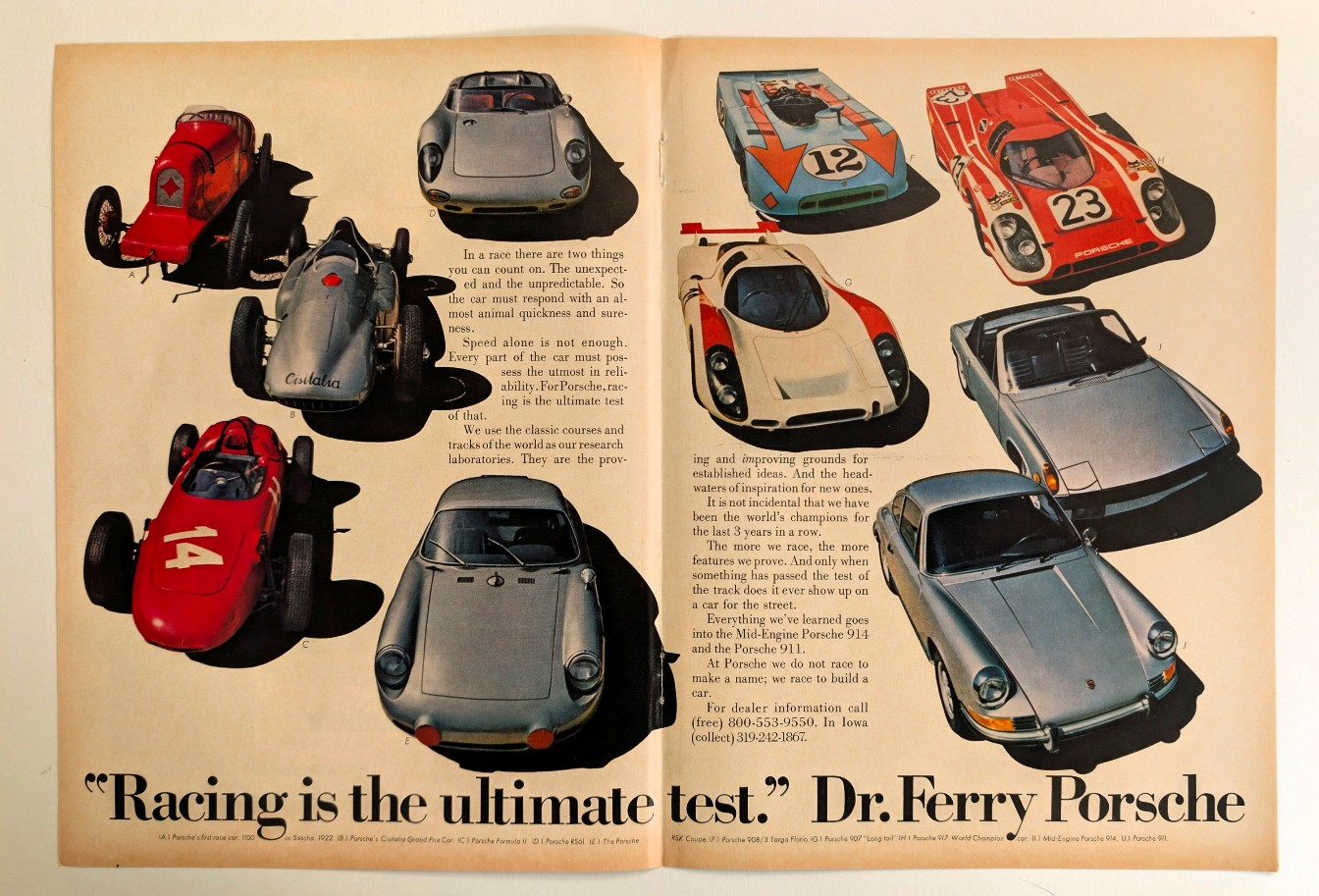
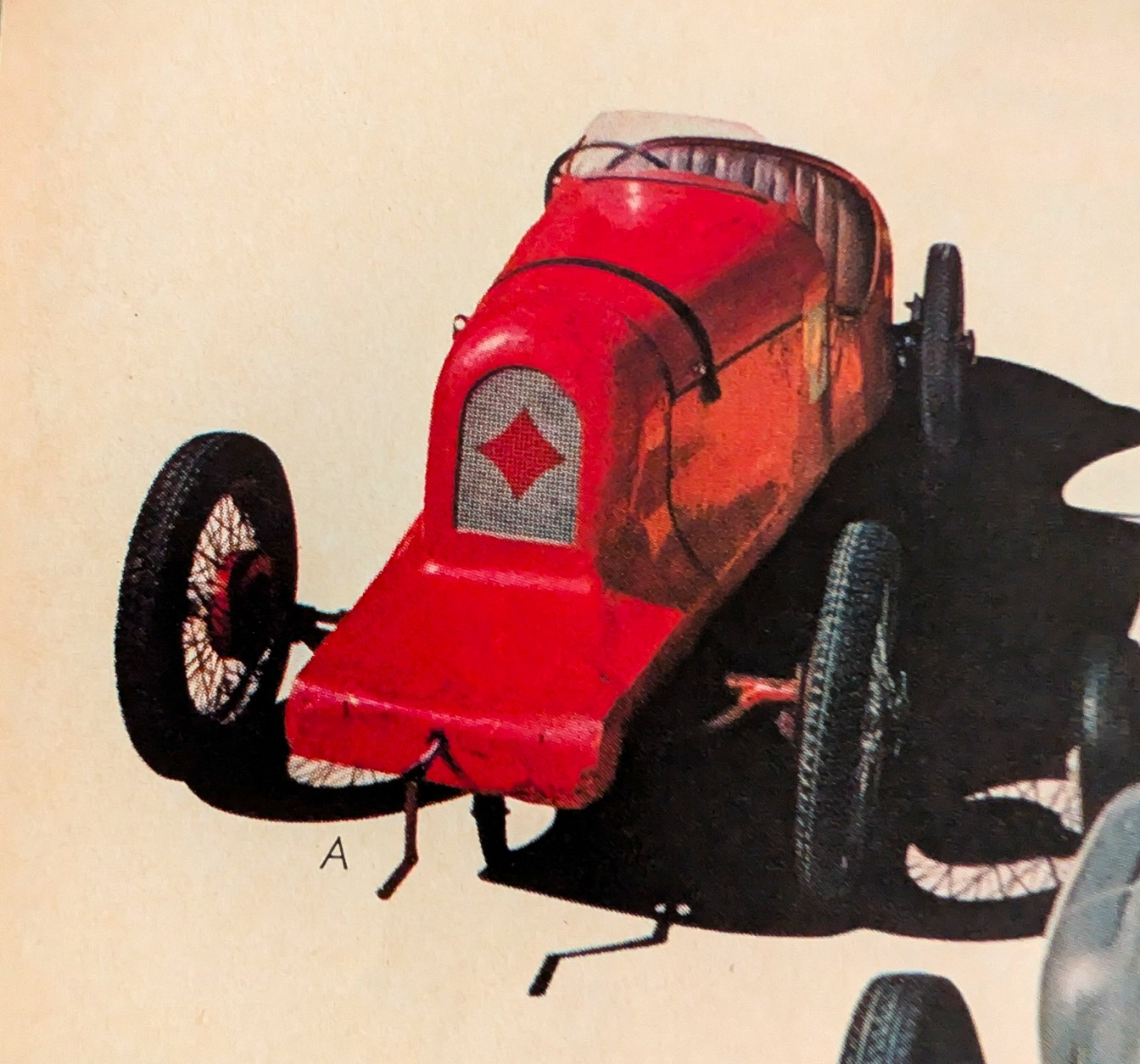
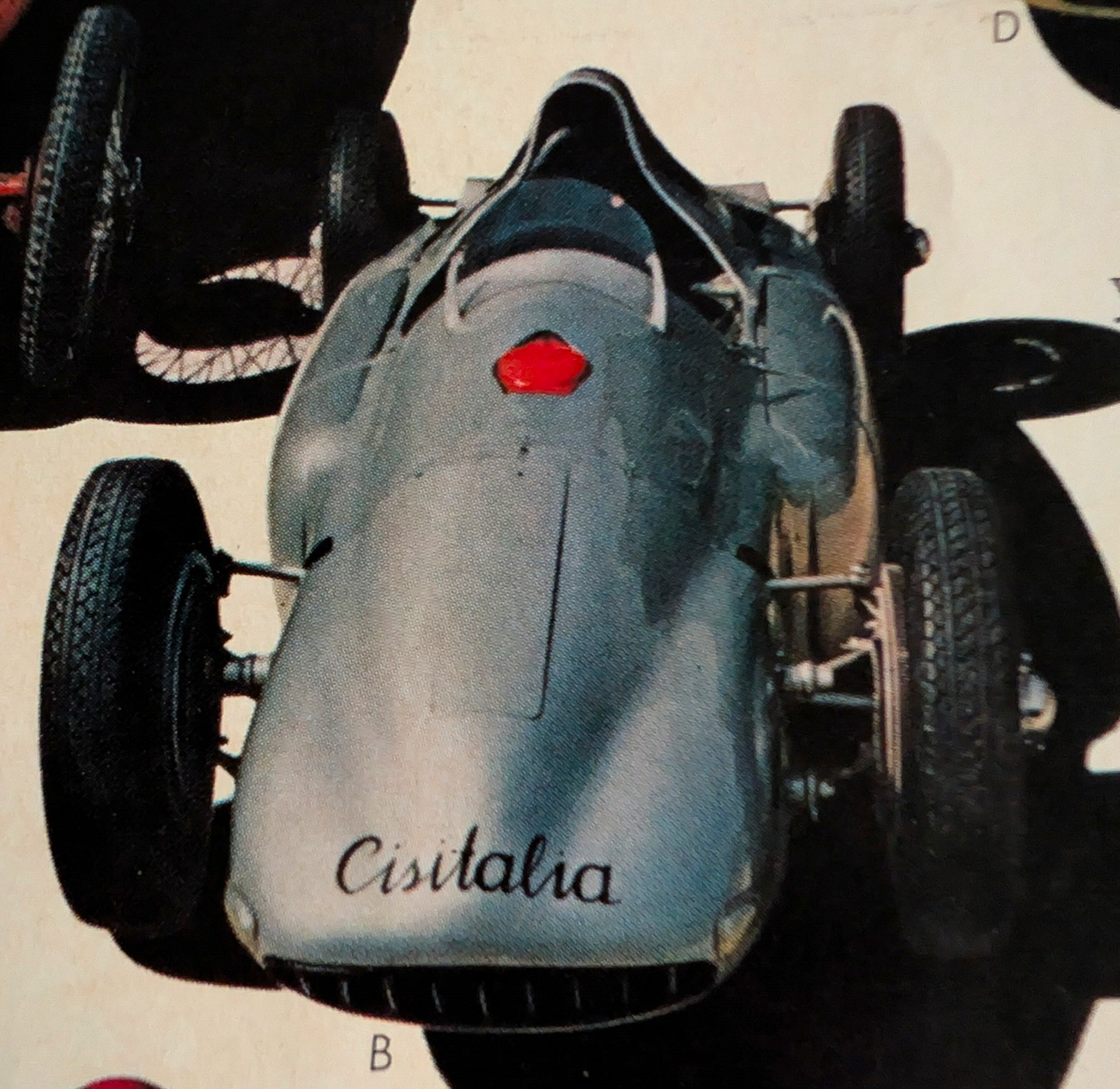
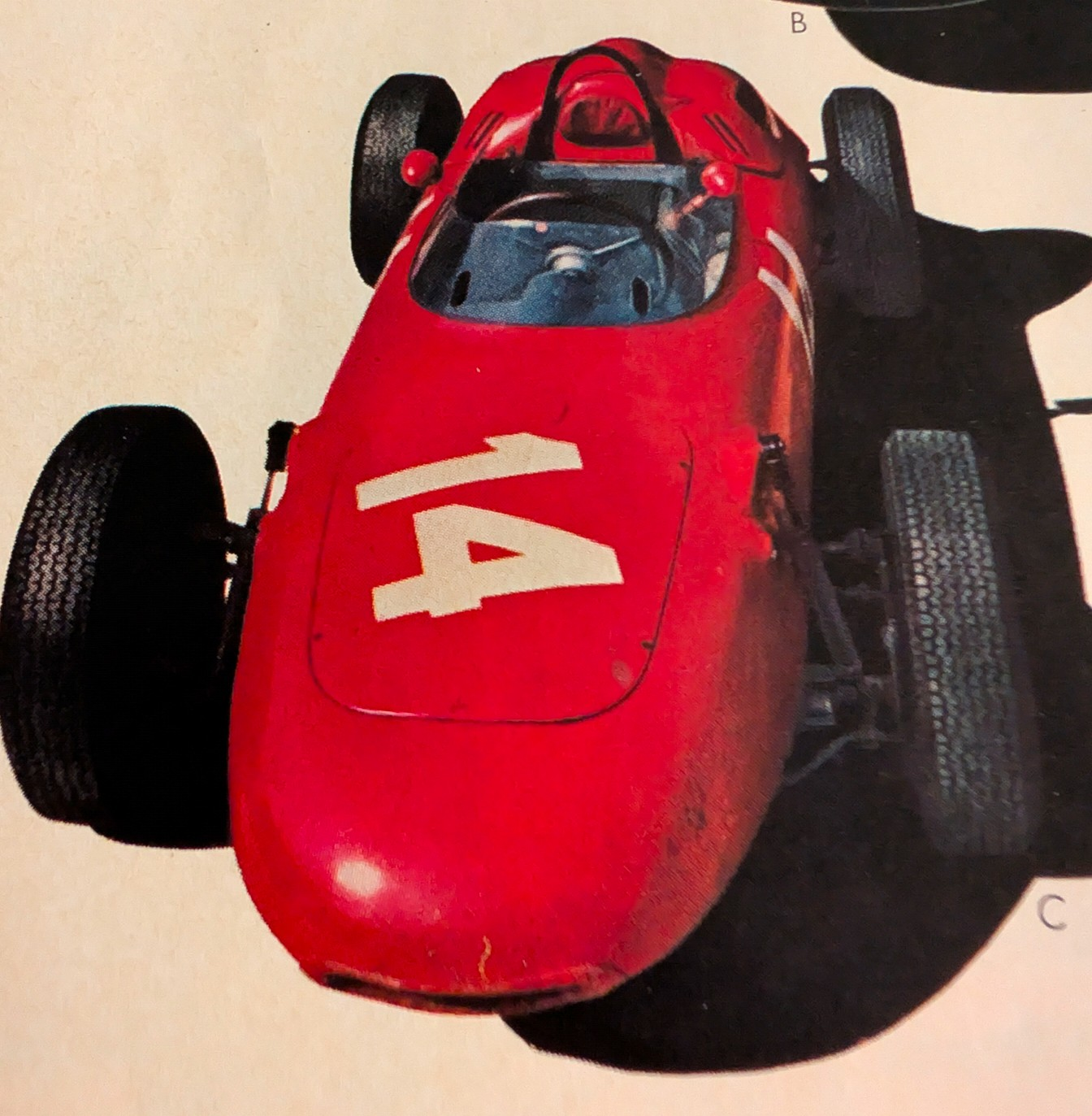
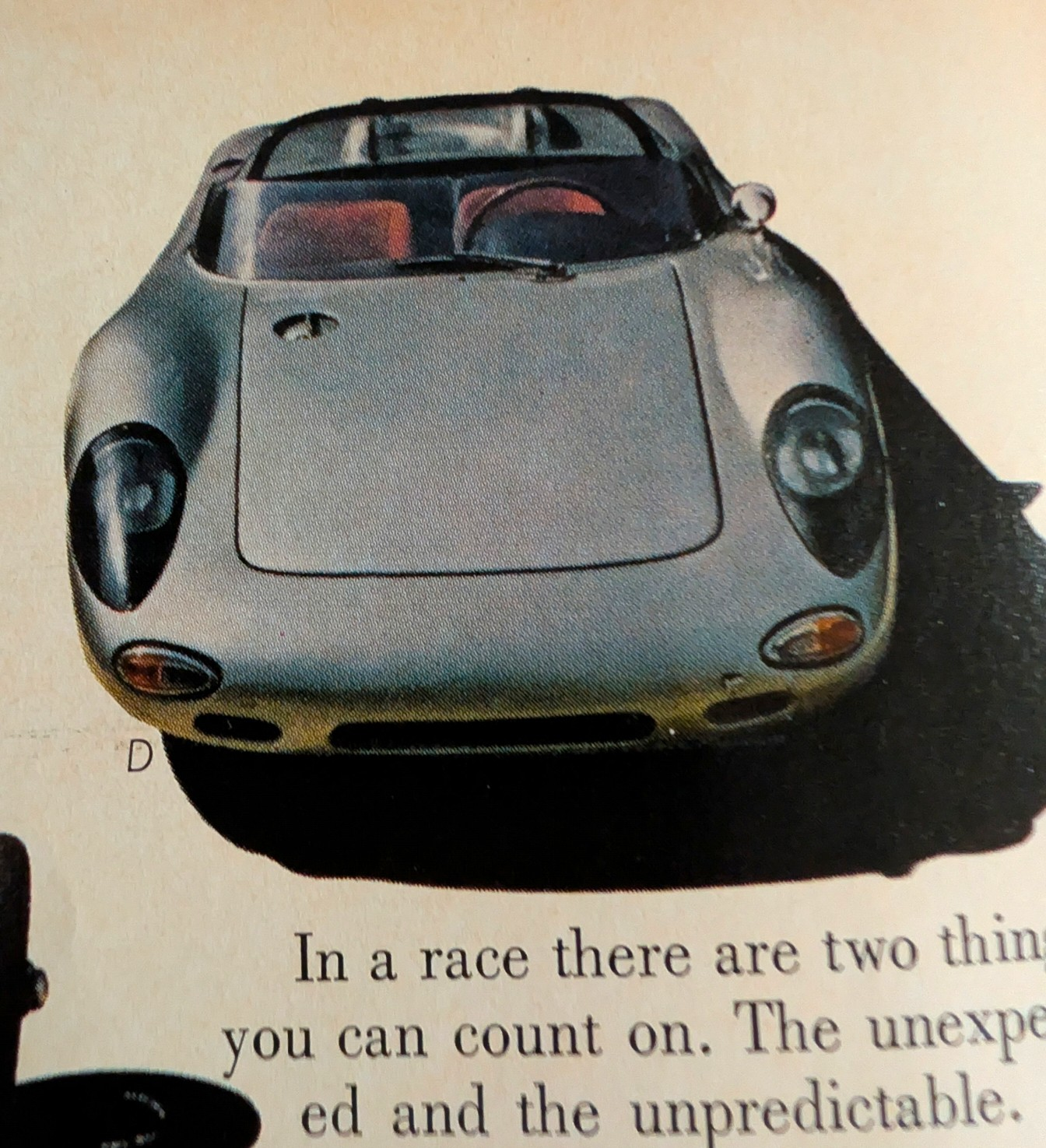
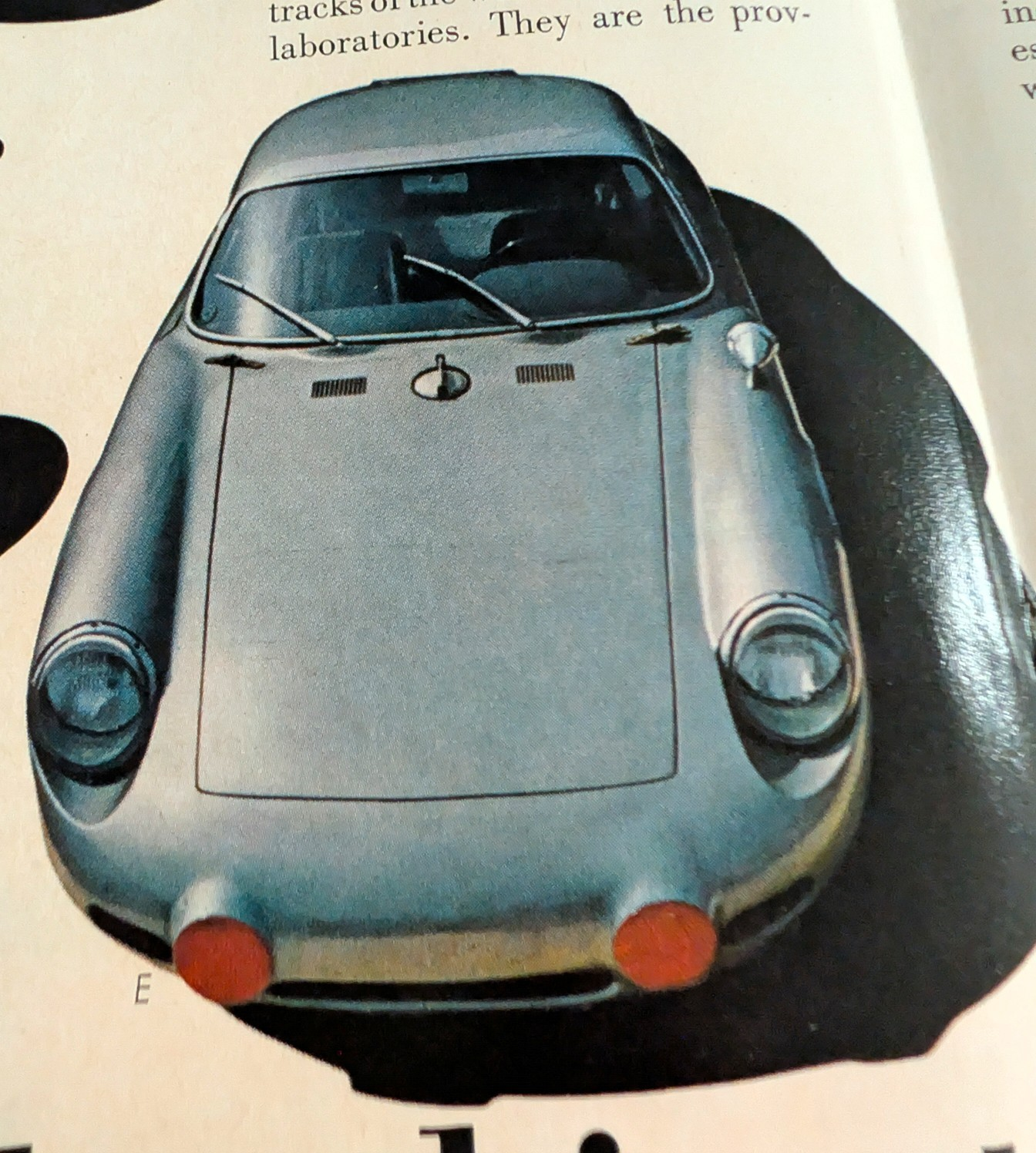
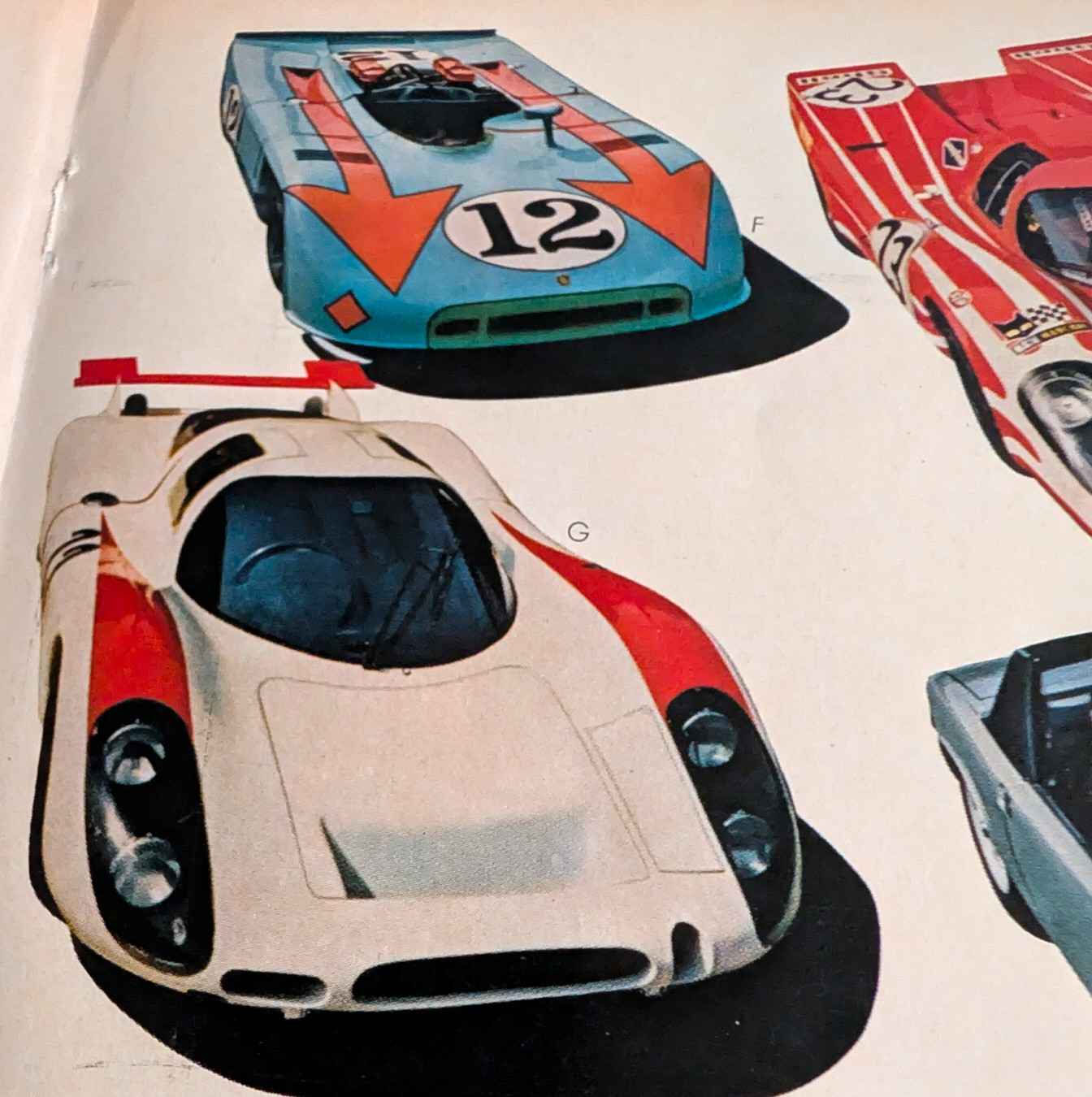
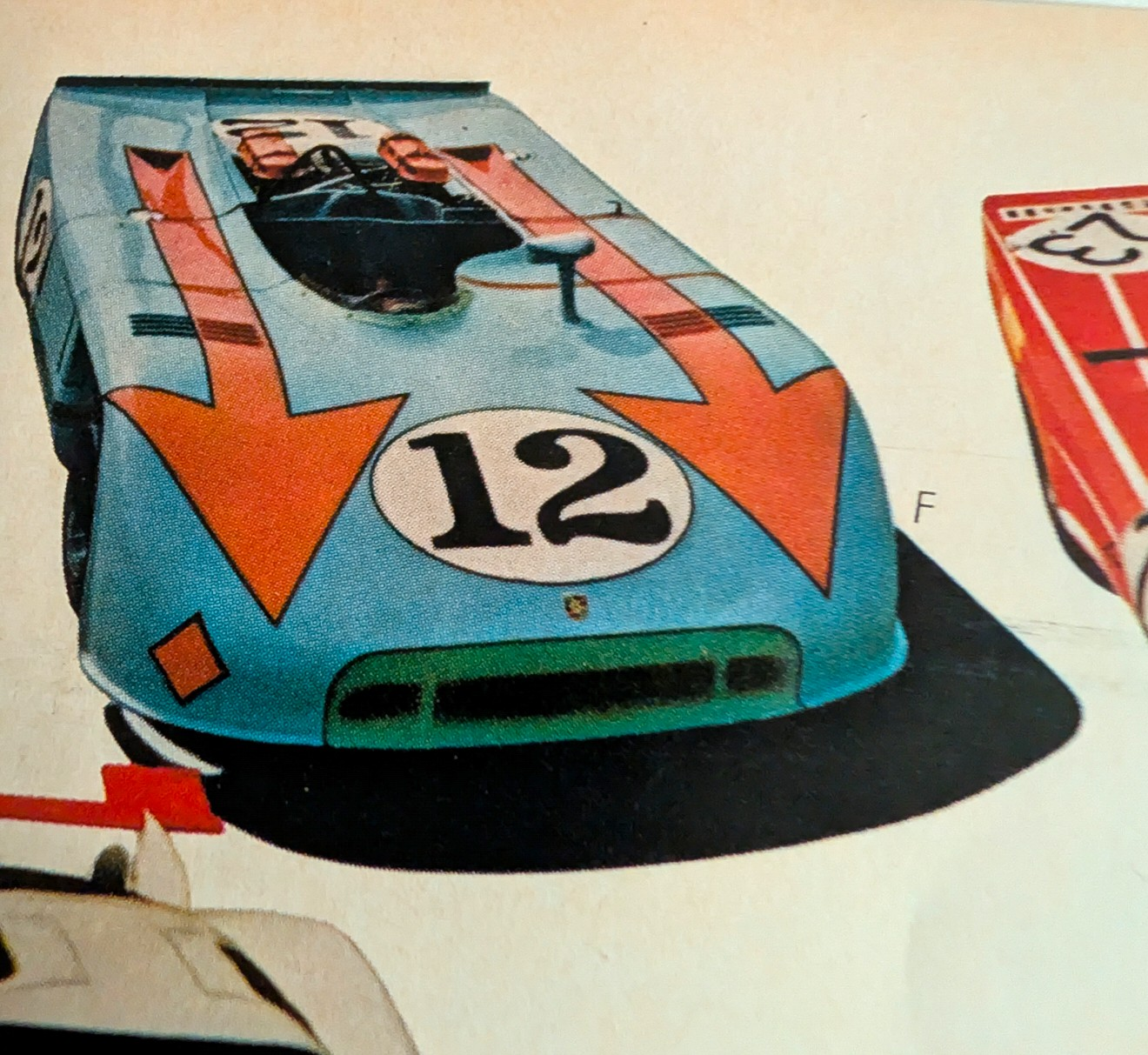
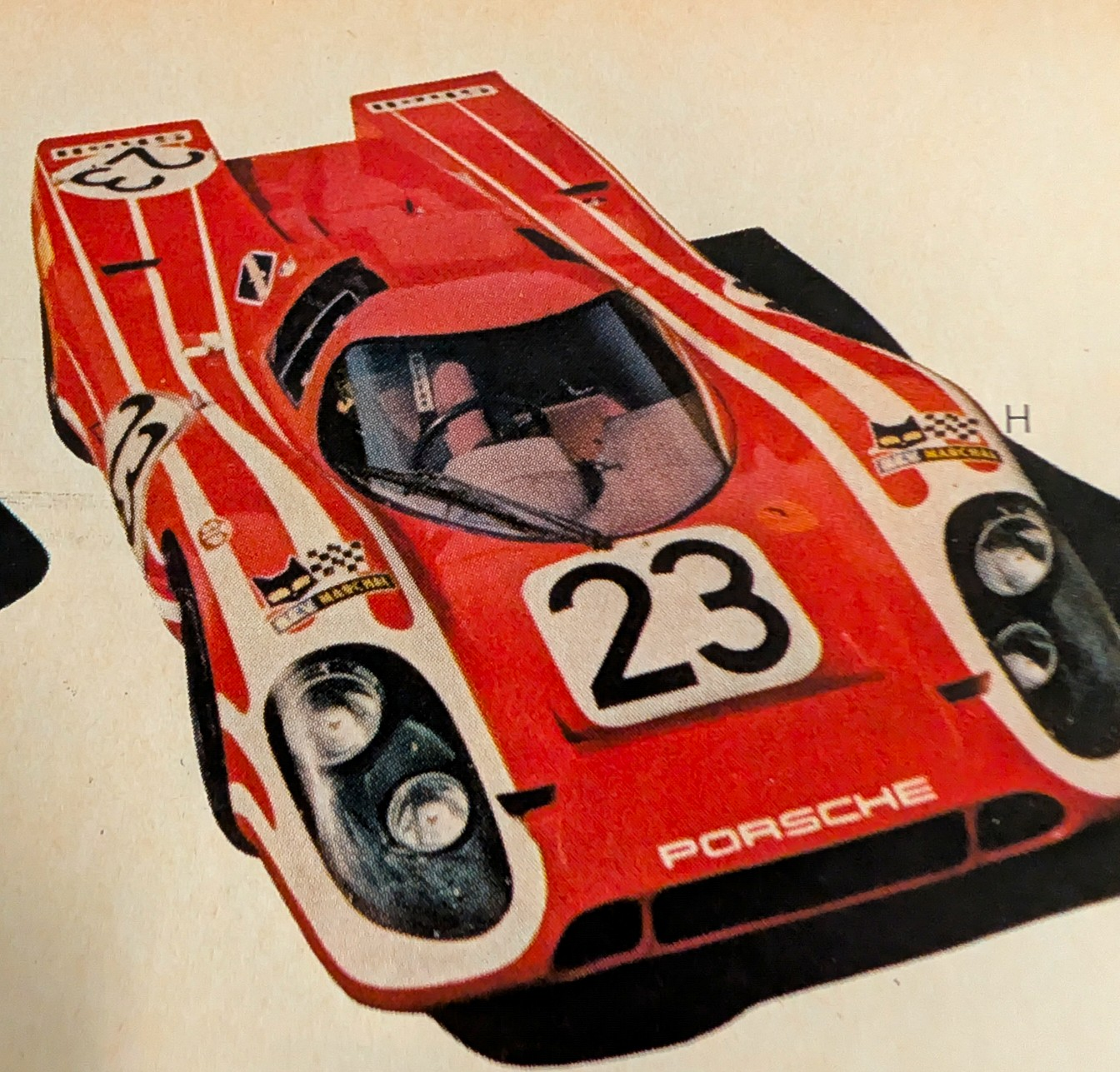
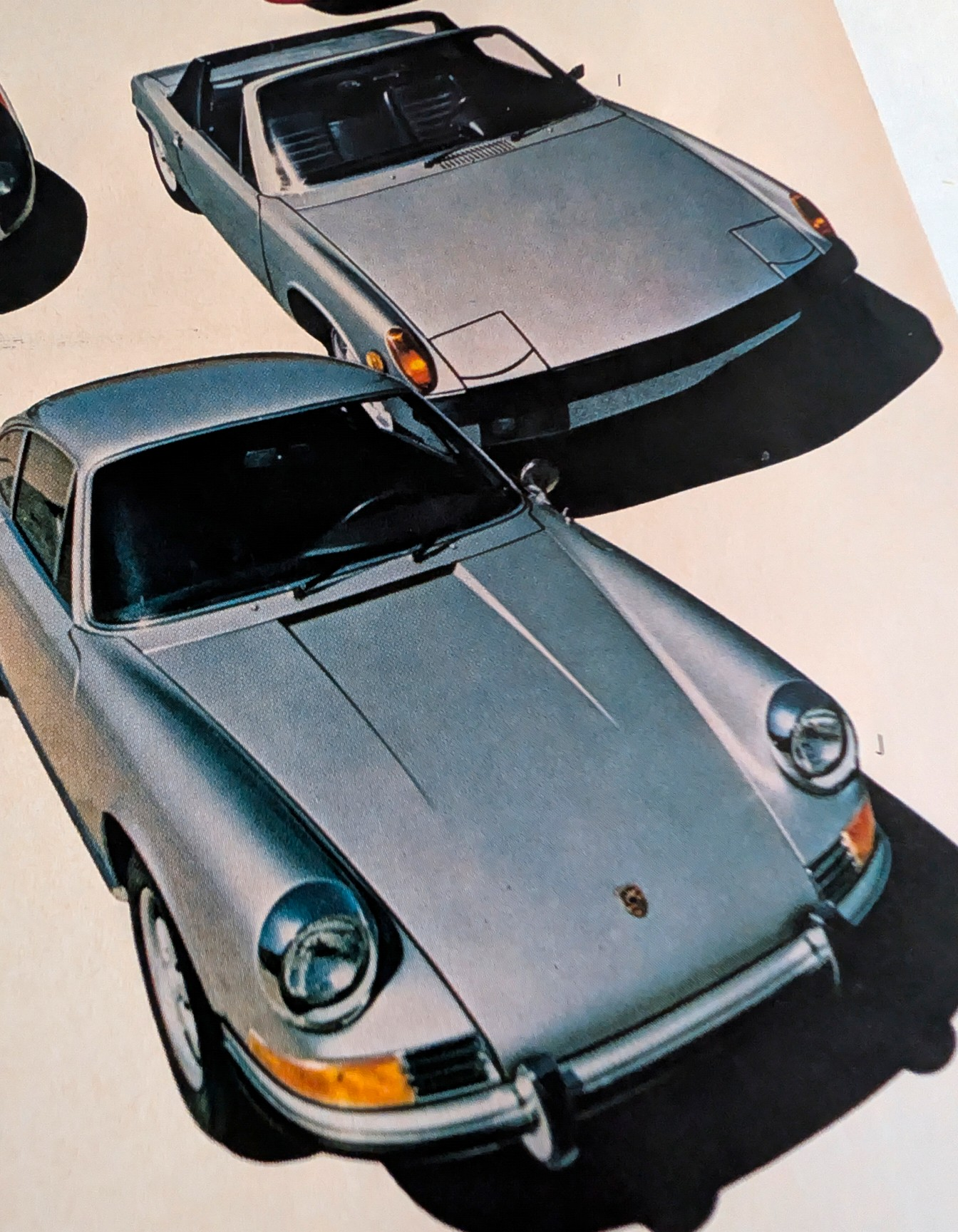
The race track is an unforgiving laboratory. This historical manifesto chronicles over half a century of Porsche's evolution, tracing the bloodline from the 1922 Sascha to the world-conquering 917. Dr. Ferry Porsche famously stated that speed alone is insufficient; absolute endurance and reliability are paramount. The mid-engine innovations and aerodynamic mastery forged under the brutal conditions of endurance racing were directly transferred to the consumer-ready Porsche 914 and the iconic 911. This is not just automotive design; it is the definitive blueprint of a racing dynasty.

Share This Archive

The Archive Continues

Continue the Exploration
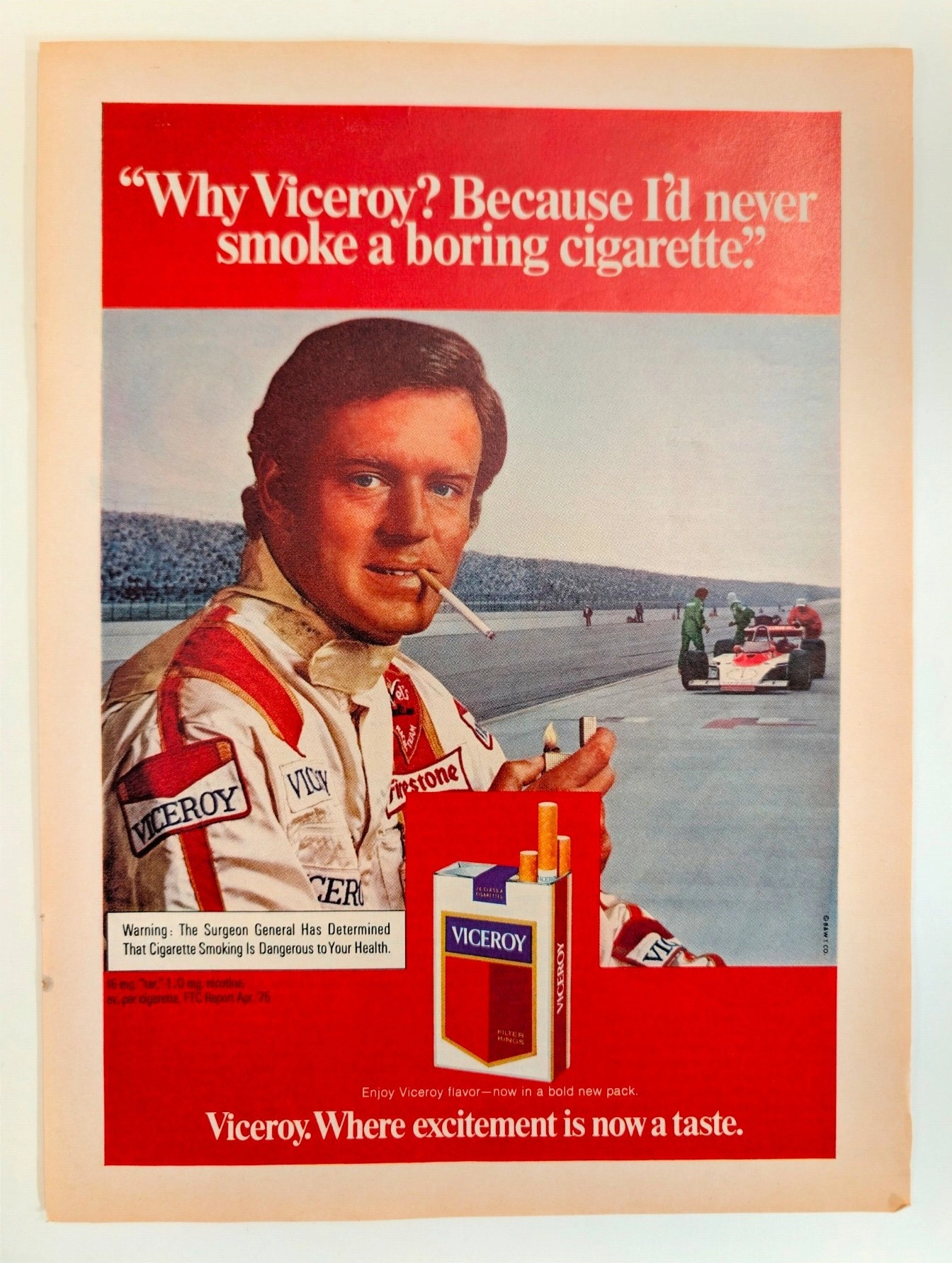
Viceroy: Al Unser and the "Taste of Excitement"

Viceroy: Al Unser and the "Taste of Excitement"

A legendary artifact linking Al Unser's racing dominance to the golden age of tobacco advertising, a style now permanently banned. The value of this original page will appreciate significantly as pre-2000 analog media naturally decays and vanishes forever.
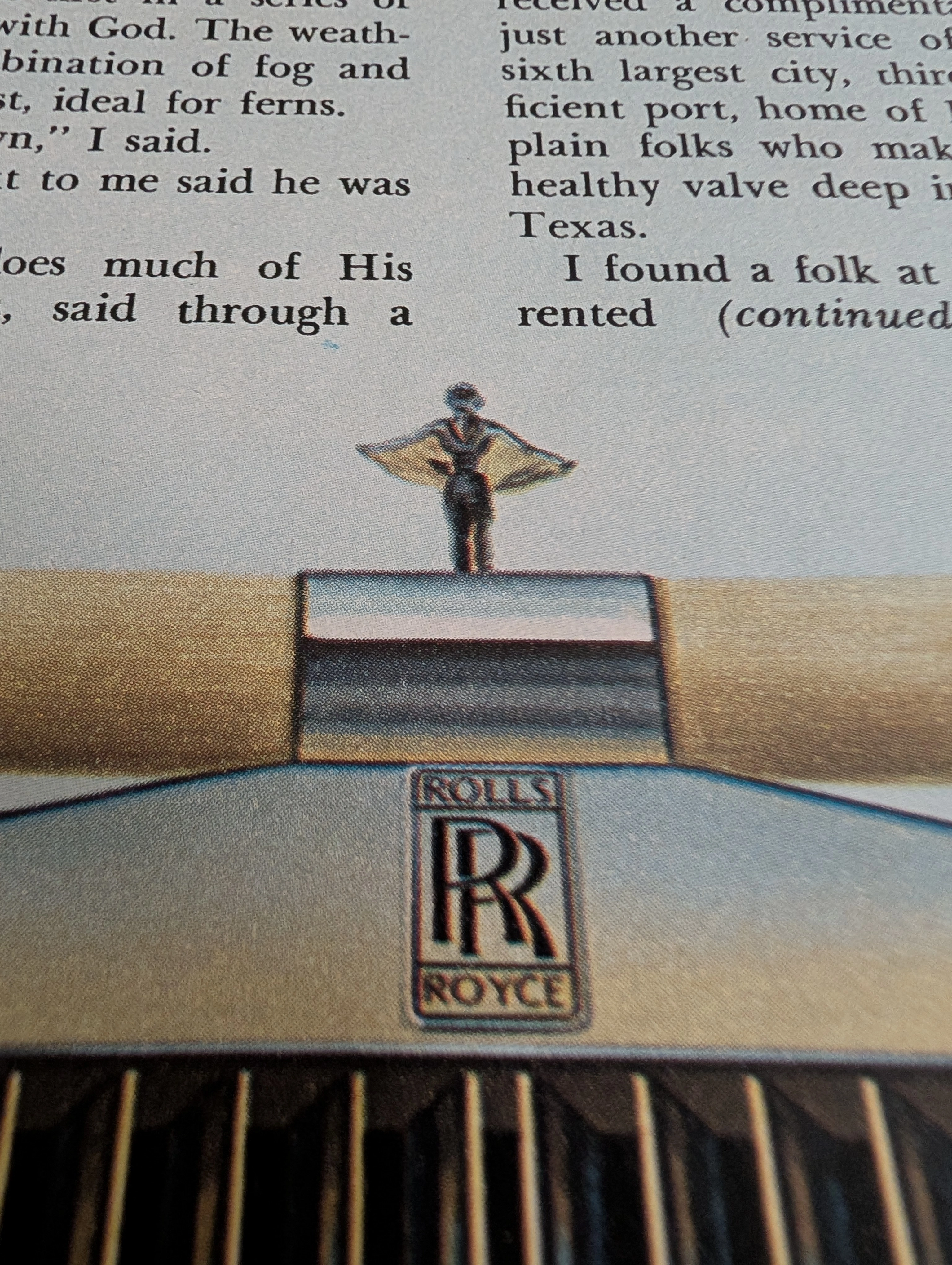
The Time Traveller's Dossier: The Oil Baron's Chariot – 1970s "HOU$TON" Editorial Illustration

ROLL ROYCE · Automotive

The Time Traveller's Dossier: The Oil Baron's Chariot – 1970s "HOU$TON" Editorial Illustration

History is not written; it is printed. Before digital algorithms dictated human behavior, societal engineering was executed through the calculated geometry of the four-color offset press. The historical artifact before us is not merely a magazine editorial illustration; it is a weaponized blueprint of American myth-making and a testament to the era of unchecked petro-wealth. This museum-grade archival dossier presents an academic deconstruction of a 1970s print feature on Houston, Texas, brilliantly illustrated by the legendary Eraldo Carugati. Operating on a profound binary structure, it documents a calculated paradigm shift in the global perception of wealth. It illustrates the precise historical fracture where the "Texas Oil Boom" transitioned from a regional economic event into a larger-than-life cultural archetype. Through the lens of late-analog commercial artistry and precise visual forensics, this document serves as a masterclass in psychological semiotics, establishing the visual tropes of the brash, high-rolling American Wildcatter that unconditionally dominates modern pop culture.
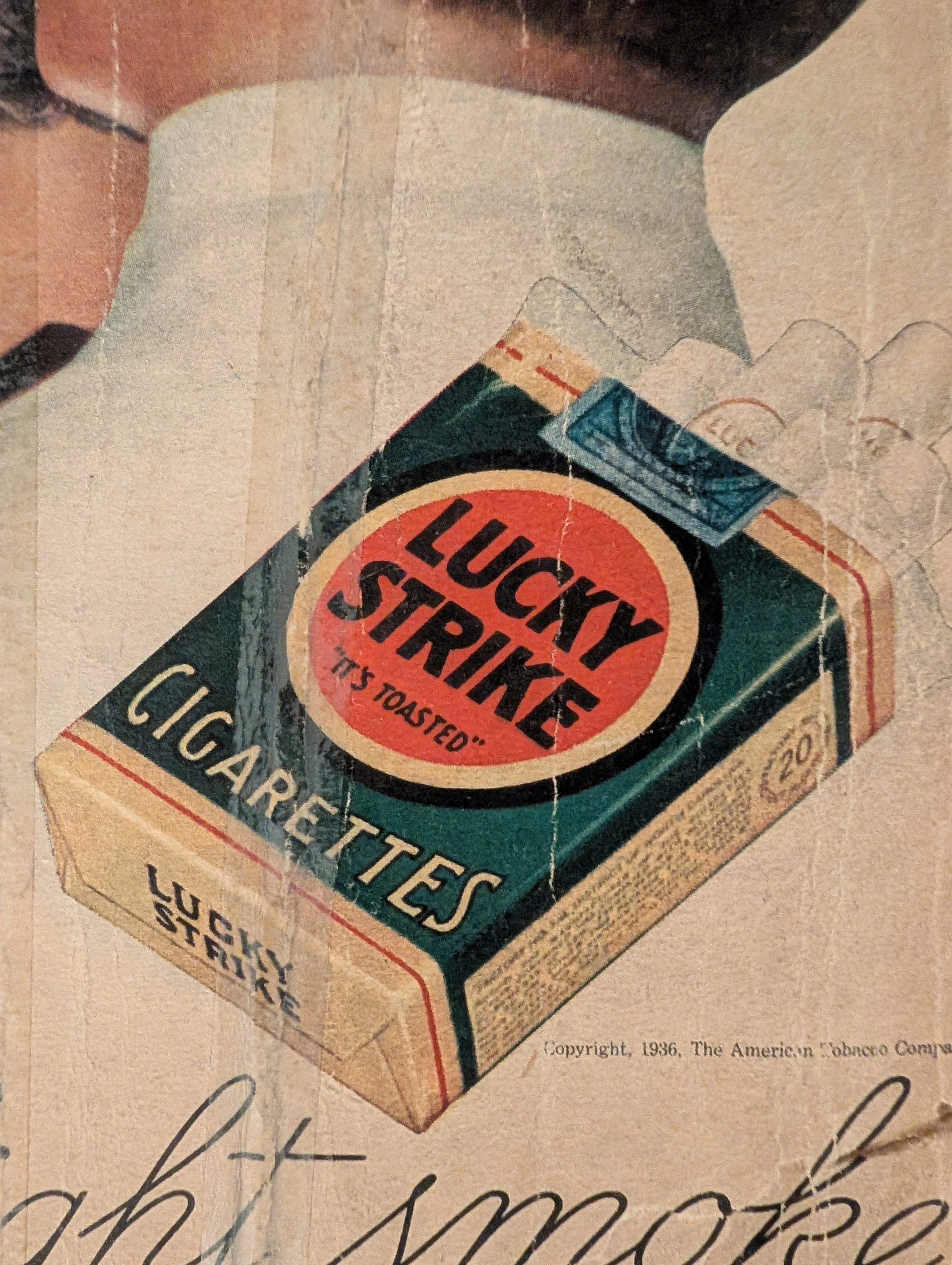
THE TIME TRAVELER'S DOSSIER: THE GOLDEN LIE AND THE PROPAGANDA OF 1936

THE TIME TRAVELER'S DOSSIER: THE GOLDEN LIE AND THE PROPAGANDA OF 1936

The artifact under exhaustive, uncompromising, and unprecedented museum-grade analysis is an exceptionally rare, battle-scarred Historical Relic originating from the absolute zenith of the American tobacco empire. This Primary Art Document is a monumental, full-page advertisement for Lucky Strike Cigarettes, forensically and definitively dated to 1936 by the explicit copyright text: "Copyright, 1936, The American Tobacco Company". This is not merely a vintage tobacco ad; it is a profound "Sociological Blueprint of Corporate Propaganda" from the interwar period. Emerging in the heart of the Great Depression, this artifact captures the audacious peak of 1930s psychological marketing. The commanding headline, "Smoke to Your Throat's Content", represents the era's surreal, medically ironic strategy where tobacco conglomerates aggressively marketed deadly carcinogens as "smooth" and "non-irritating" to the throat. Furthermore, the legendary slogan "It's Toasted" serves as a masterclass in advertising spin, transforming a standard manufacturing process into an exclusive health benefit. Visually, the ad brilliantly normalizes and glamorizes female smoking—a direct continuation of the industry's sociological engineering to double their consumer base. Rescued from the inevitable oblivion of disposable mass media, this pre-2000s analog artifact is a breathtaking embodiment of the Japanese aesthetic of wabi-sabi. Printed on highly acidic wood-pulp paper, it exhibits severe, violent edge trauma, deep structural creasing, ancient tape residue, and a profound, burning amber oxidation across its entire surface. This unstoppable molecular death transforms a piece of mass-produced corporate propaganda into an irreplaceable, ready-to-frame Primary Art Document of American marketing history.
Published by

The Record Institute

Taxonomy Match

Related Articles

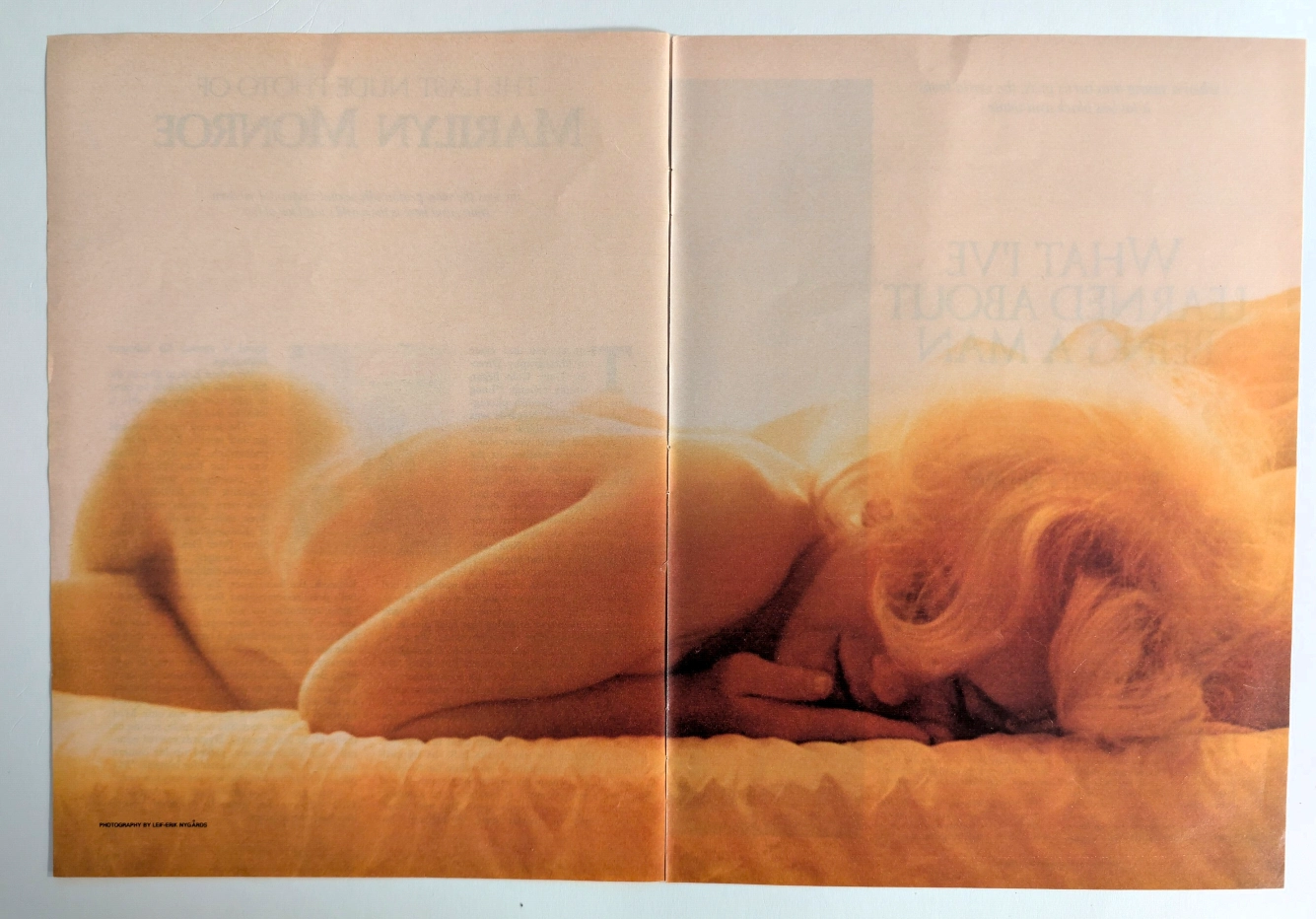
The Final Glimpse of a Legend: The History Behind Marilyn Monroe's Last Nude — related article
Read Article

The Final Glimpse of a Legend: The History Behind Marilyn Monroe's Last Nude

Uncover the profound historical significance of the ultimate photograph of the 20th century's greatest pop culture icon, captured by Leif-Erik Nygårds just weeks before her tragic death.

Vintage 70s Crown Royal Ad: Vanishing Analog Art | The Record — related article
Read Article

Vintage 70s Crown Royal Ad: Vanishing Analog Art | The Record

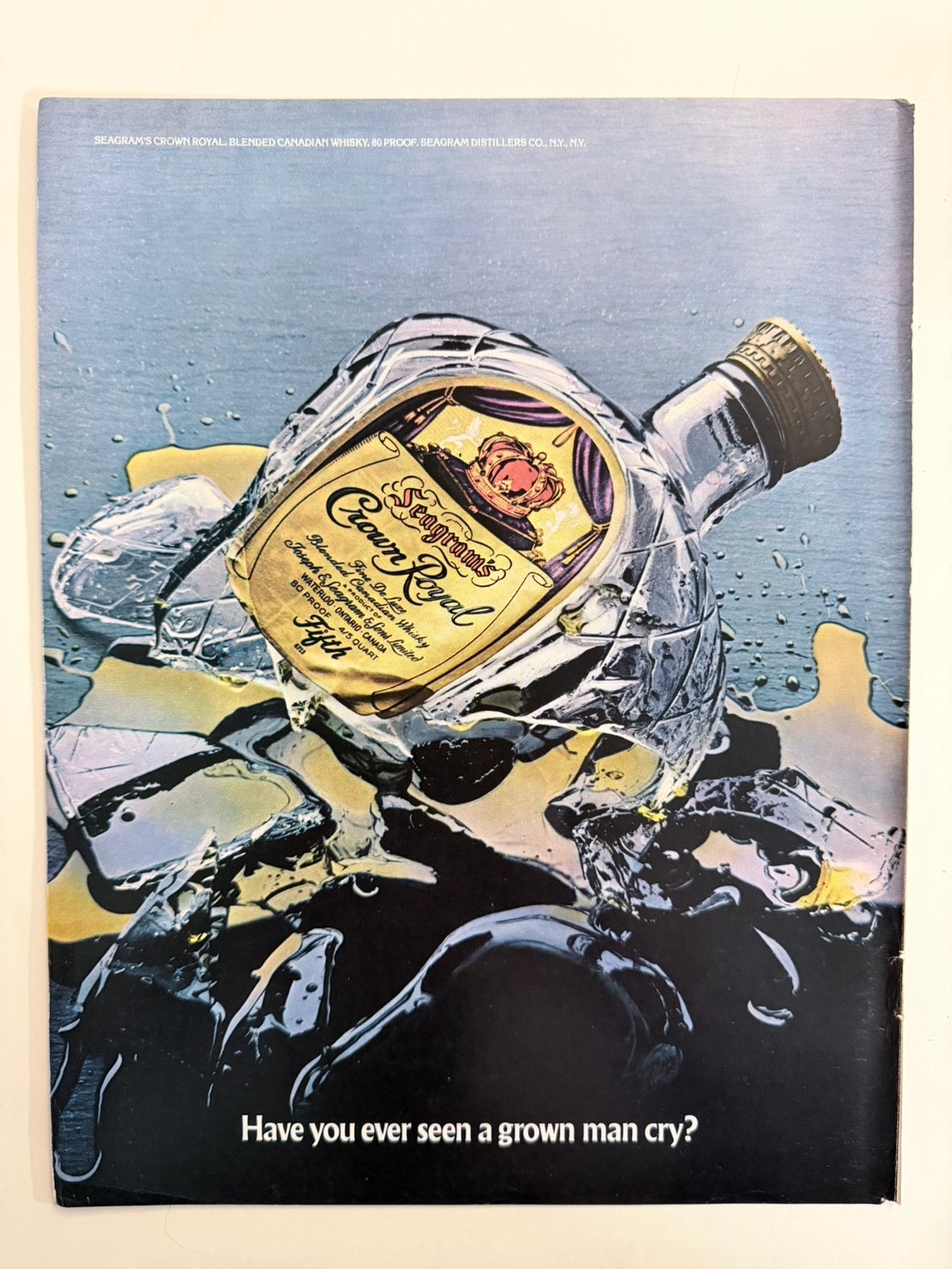
An in-depth look at the priceless 1970s Crown Royal "Have you ever seen a grown man cry?" advertisement. A masterpiece of authentic analog photography on degrading vintage paper, driving up the value of this original print as global supply inevitably shrinks.

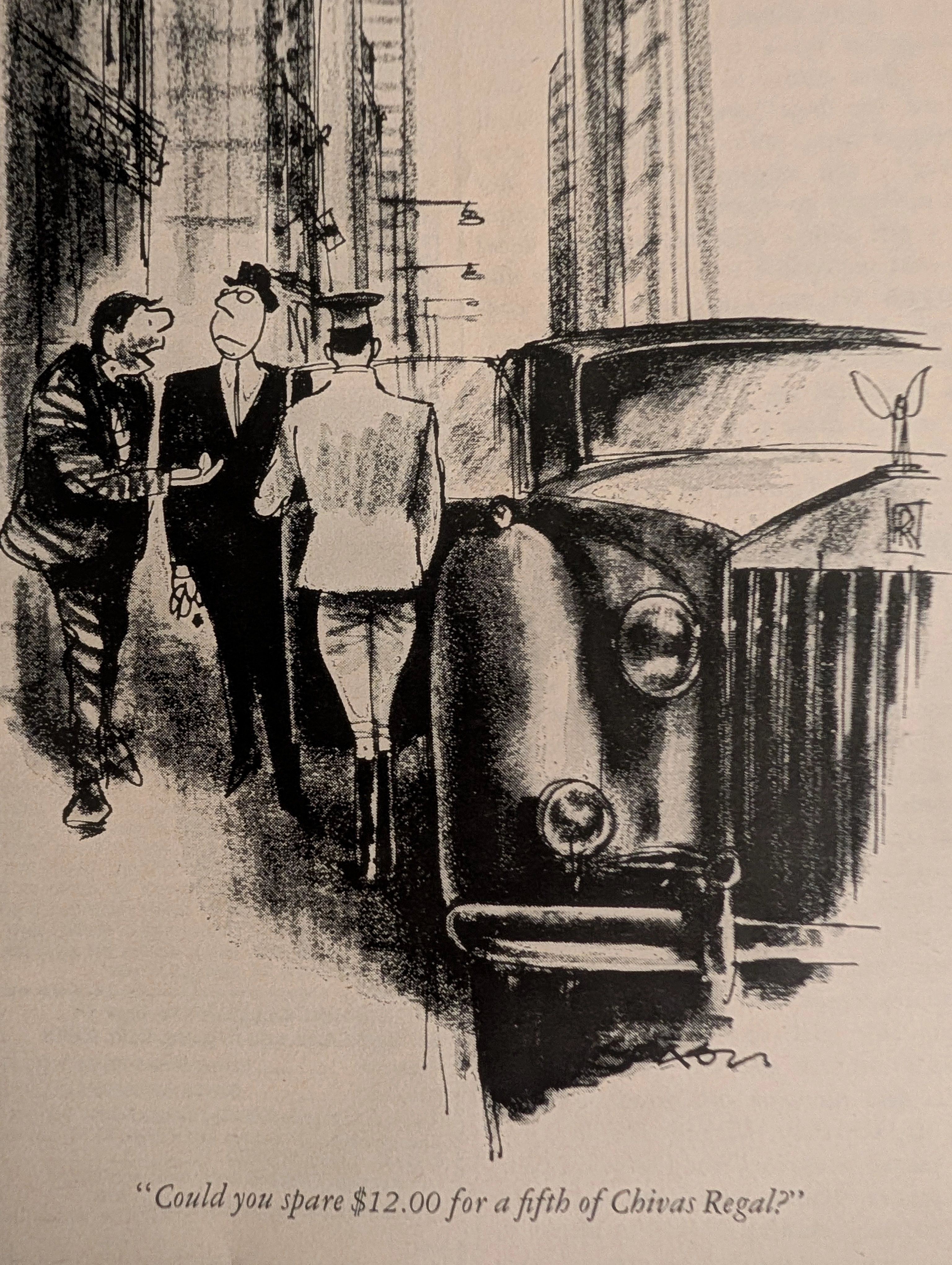
Vintage Chivas Regal x Charles Saxon Ad: The Vanishing Playboy Art | The Record — related article
Read Article

Vintage Chivas Regal x Charles Saxon Ad: The Vanishing Playboy Art | The Record

An in-depth look at the Chivas Regal ad from Playboy magazine, illustrated by legendary artist Charles Saxon. A magazine-sized piece of authentic analog art on degrading vintage paper, driving up its value as an alternative asset.

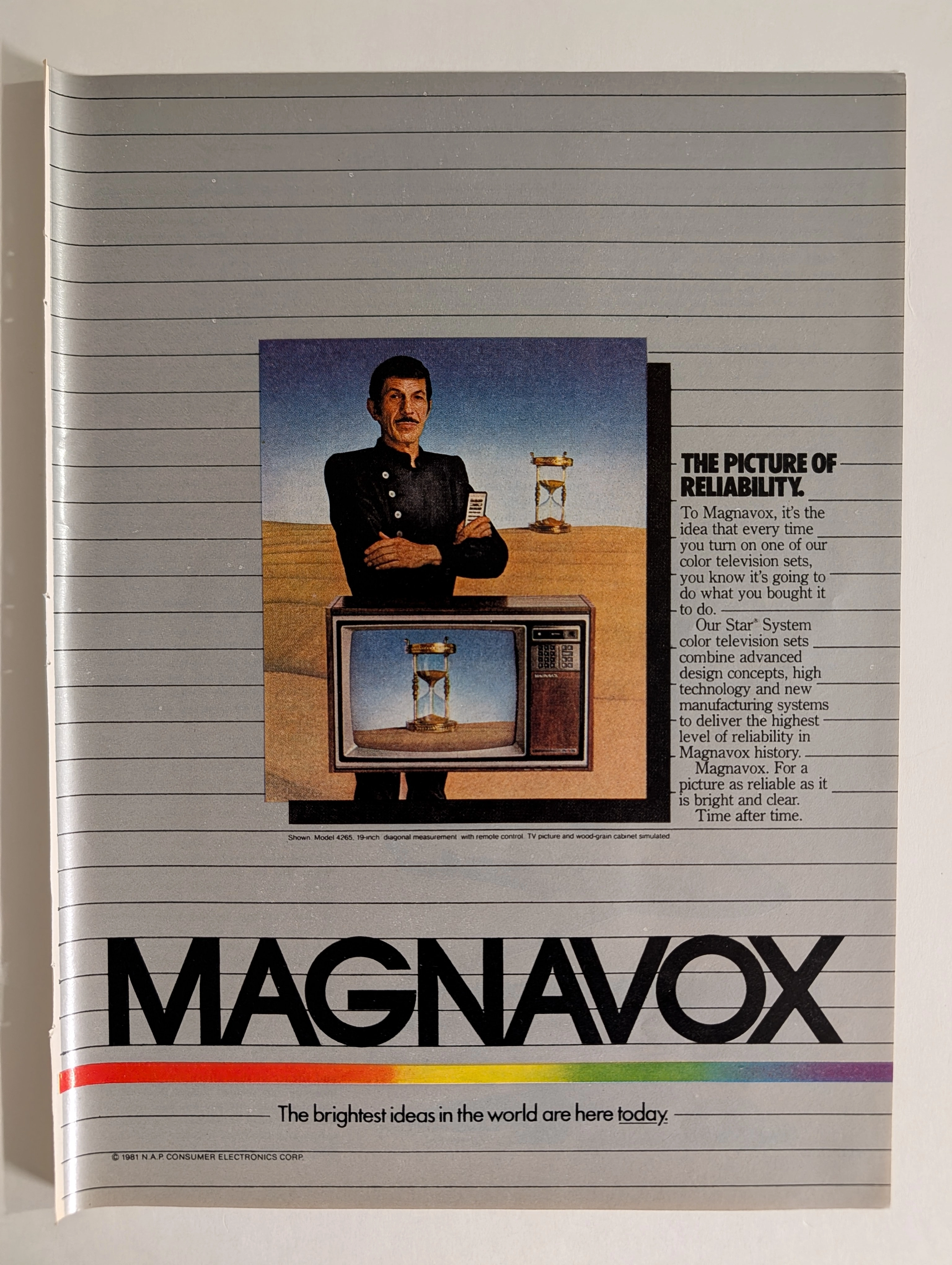
Magnavox Star System 1981 Leonard Nimoy TV Advertisement | 'The Picture of Reliability' | Deep Analysis Rarity Class A-SS — related article
Read Article

Magnavox Star System 1981 Leonard Nimoy TV Advertisement | 'The Picture of Reliability' | Deep Analysis Rarity Class A-SS

The advertisement analyzed here is a full-page full-color magazine promotion for Magnavox's Star® System color television sets, copyright © 1981 N.A.P. Consumer Electronics Corp. The ad features what is almost certainly Leonard Nimoy — iconic for his role as Mr. Spock in Star Trek — dressed in a black nehru-collar uniform against a surrealist desert landscape, standing above a Magnavox color TV set (Model 4265, 19-inch diagonal) that displays an hourglass on screen. A second hourglass appears behind him. The visual concept communicates timeless reliability. The headline 'The Picture of Reliability' and tagline 'The brightest ideas in the world are here today' frame Magnavox's Star System as the pinnacle of 1981 television technology. The rainbow spectrum stripe at the bottom is a distinctive brand element that ran across Magnavox advertising throughout the early 1980s. N.A.P. (North American Philips) Consumer Electronics Corp. was the American subsidiary of Philips that owned the Magnavox brand at this time, having acquired it in 1974.

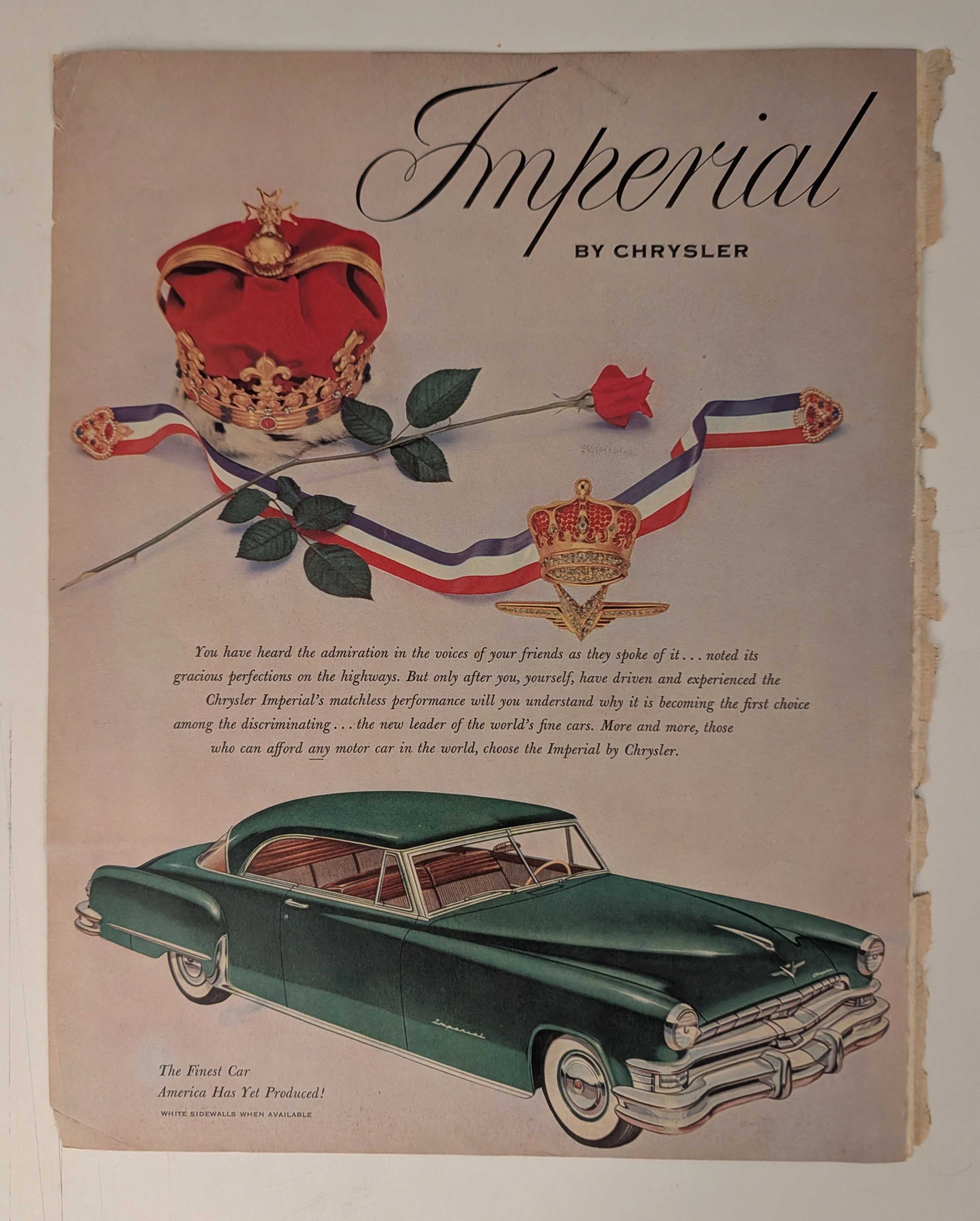
THE TIME TRAVELER'S DOSSIER: THE KOREAN WAR ANCHOR AND THE SCARCITY OF LUXURY — related article
Read Article

THE TIME TRAVELER'S DOSSIER: THE KOREAN WAR ANCHOR AND THE SCARCITY OF LUXURY

The artifact under our uncompromising, unprecedented museum-grade analysis is a profoundly preserved Historical Relic excavated from the golden age of post-WWII American opulence. This Primary Art Document is a monumental magazine advertisement for the Imperial by Chrysler, dating to the pivotal 1951-1952 era. This document is a "Forensic Blueprint of American Aristocracy and Geopolitical Crisis." It masterfully weaponizes regal European iconography to elevate Chrysler's flagship model above mere transportation, explicitly targeting "those who can afford any motor car in the world". Yet, its most significant historical anchor is hidden in the microscopic fine print: "WHITE SIDEWALLS WHEN AVAILABLE". This single sentence instantly transforms the advertisement into a wartime relic, reflecting the severe rubber shortages imposed during the Korean War. Grounded by the iconic jeweled emblem and its breathtaking wabi-sabi chemical degradation—highlighted by its violently torn binding edge—this artifact commands an irreplaceable status, cementing its Rarity Class A designation.

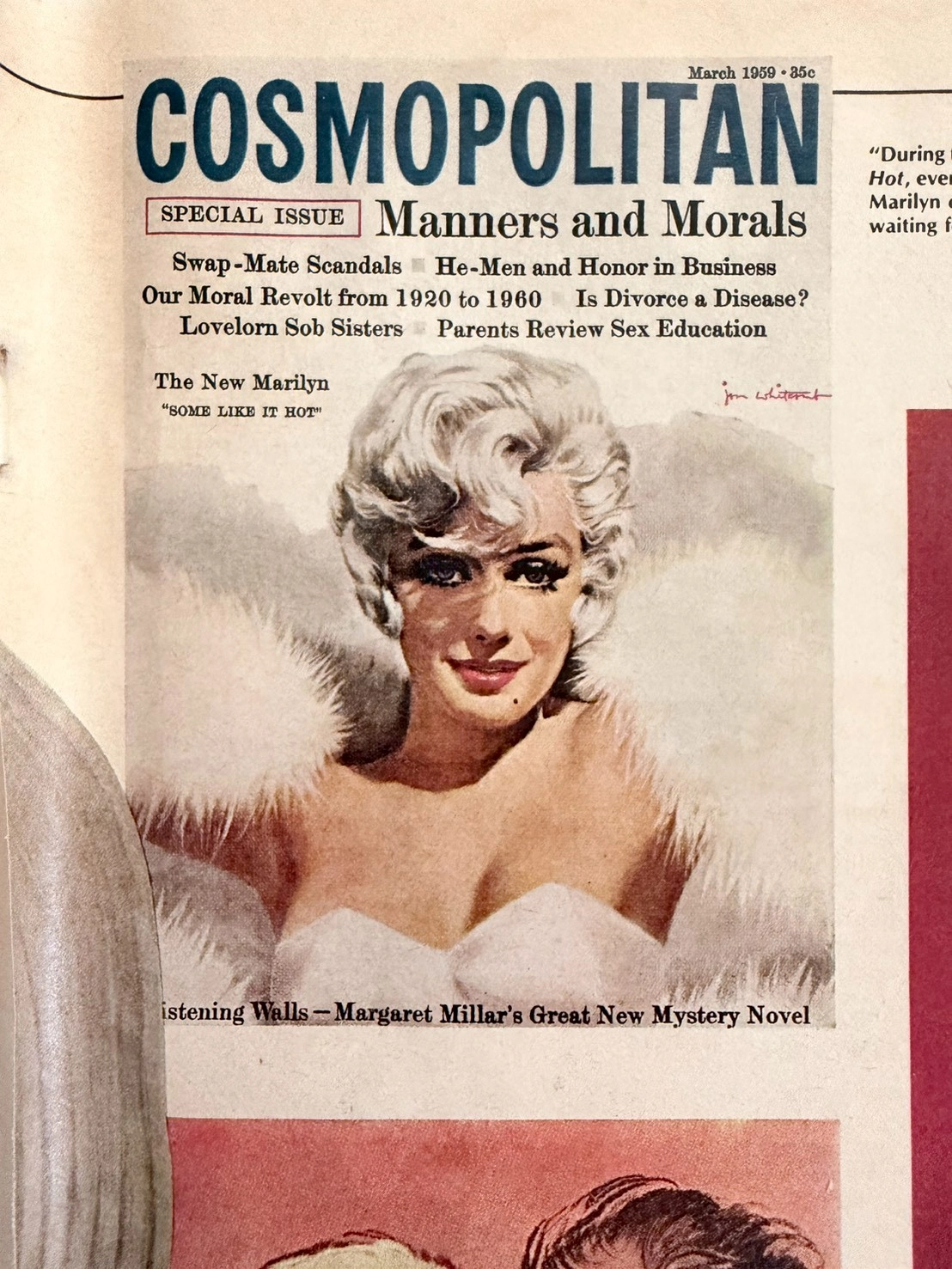
The Marilyn Monroe Enigma: Uncovering 1950s Hollywood Secrets Through Ultra-Rare Vintage Magazine Art (Class SS) — related article
Read Article

The Marilyn Monroe Enigma: Uncovering 1950s Hollywood Secrets Through Ultra-Rare Vintage Magazine Art (Class SS)

This museum-grade editorial explores an ultra-rare SS-Class archival piece from The Record Institute. It chronicles the 1980 Playboy magazine discovery of lost Marilyn Monroe negatives, eventually solved by legendary illustrator Jon Whitcomb. The artifact not only captures the vulnerability of the 1950s ultimate sex symbol alongside Arthur Miller but also serves as a poignant historical record of the transition from the Golden Age of Illustration to modern photography, celebrating the visceral charm of analog paper preservation.