View Archive
A
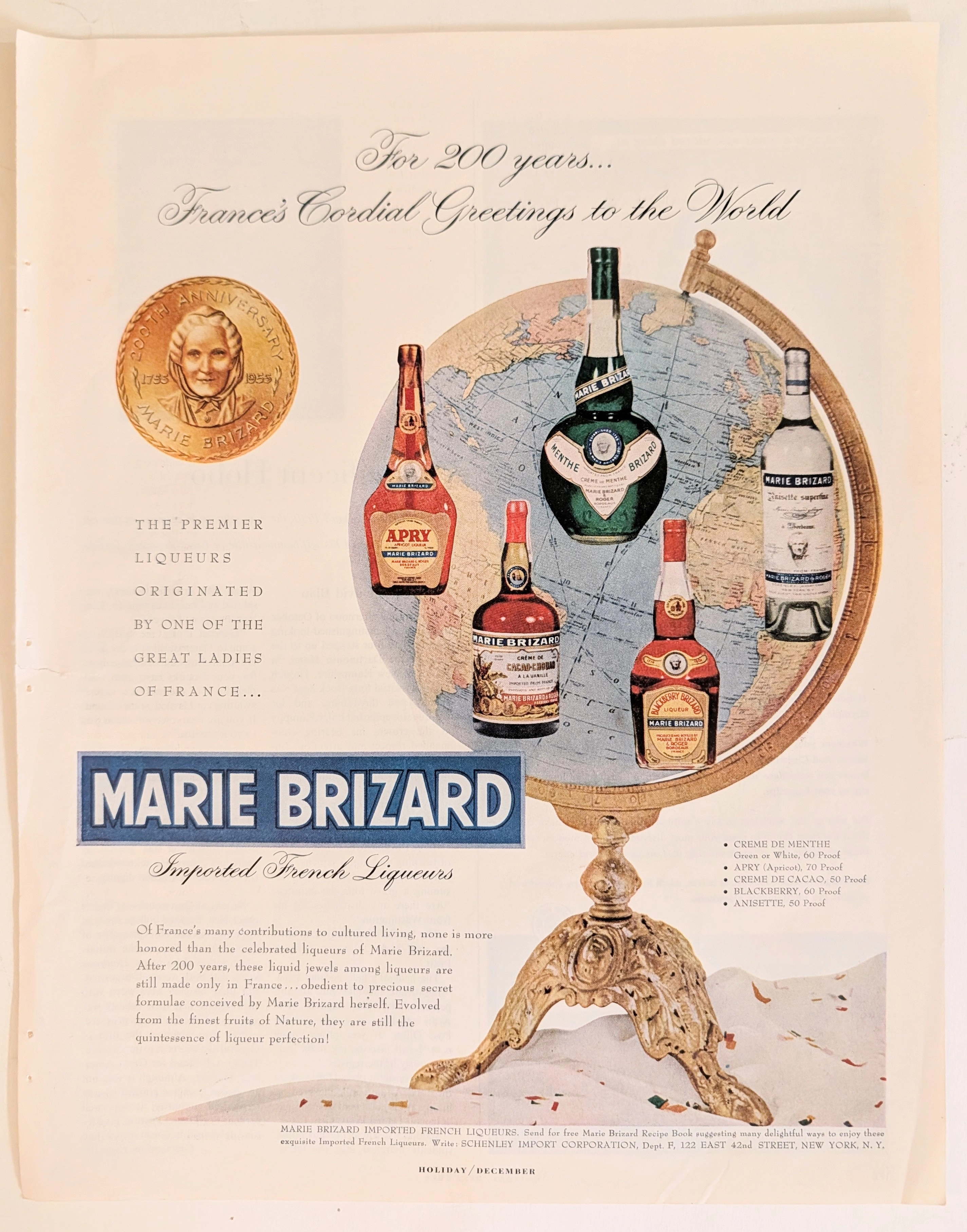
1955 Marie Brizard French Liqueurs Vintage Advertisement
1957|Alcohol
Last updated: 19 Apr 2026
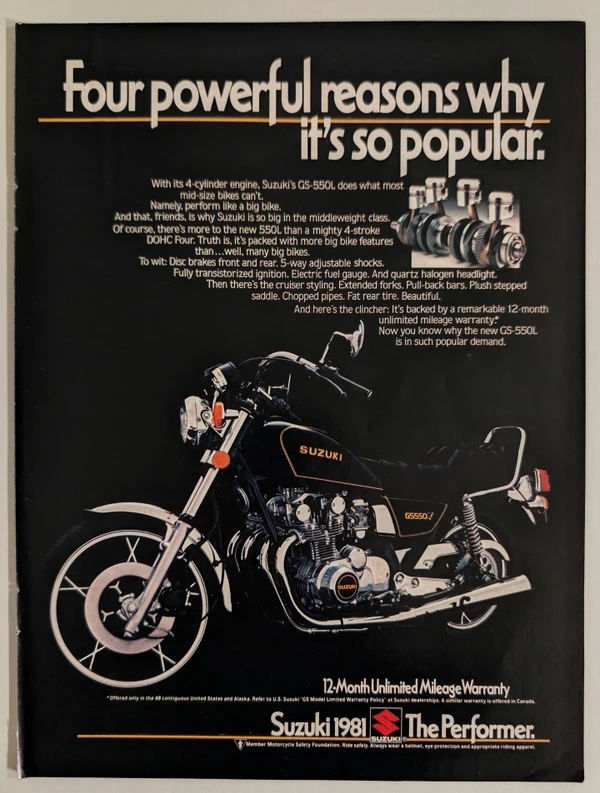
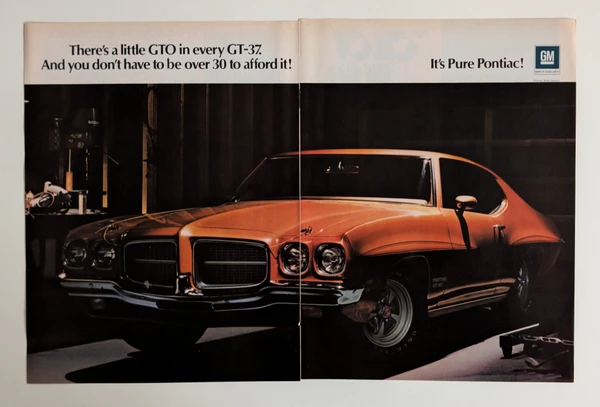
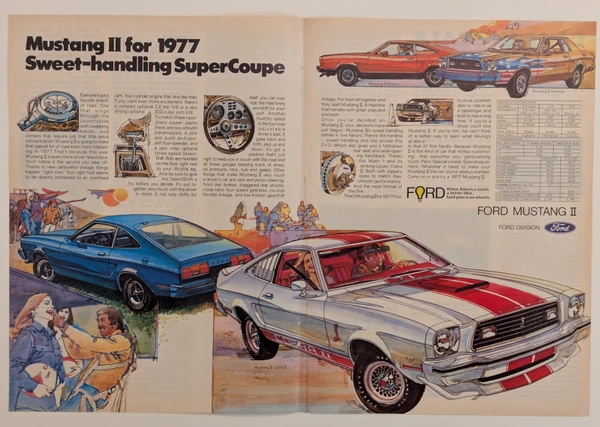
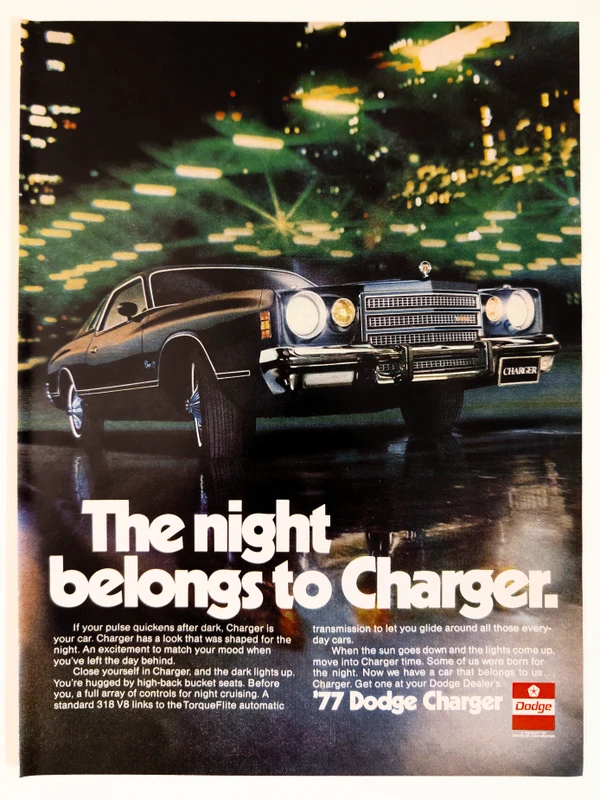
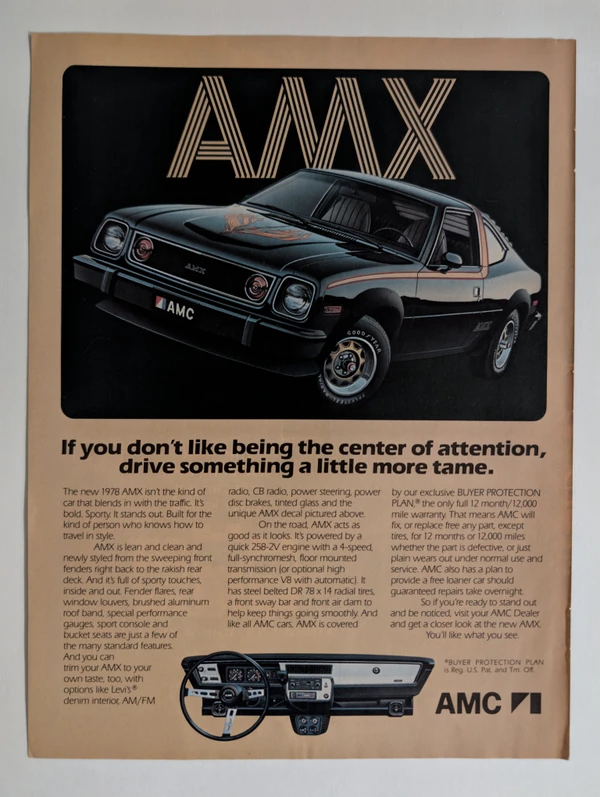
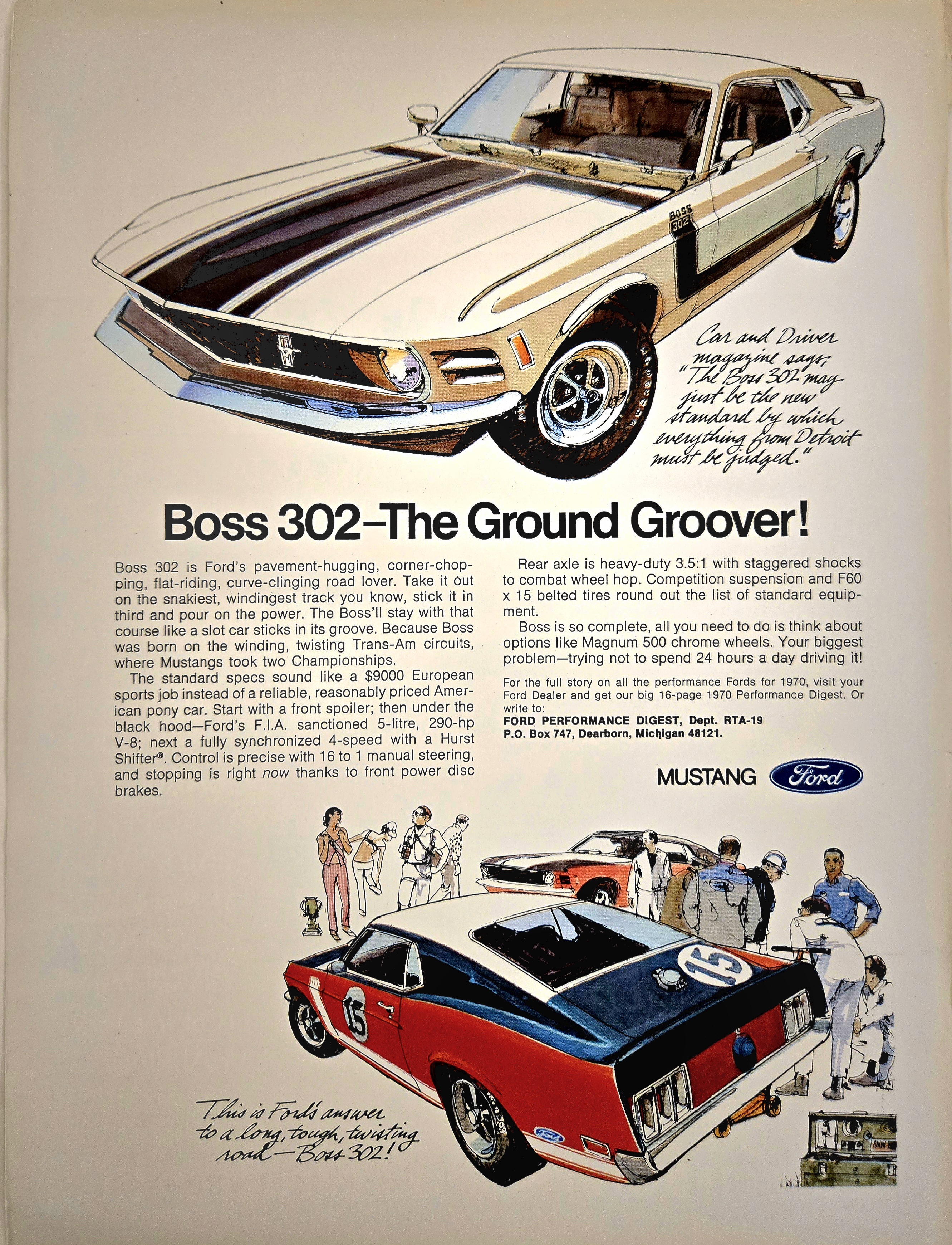

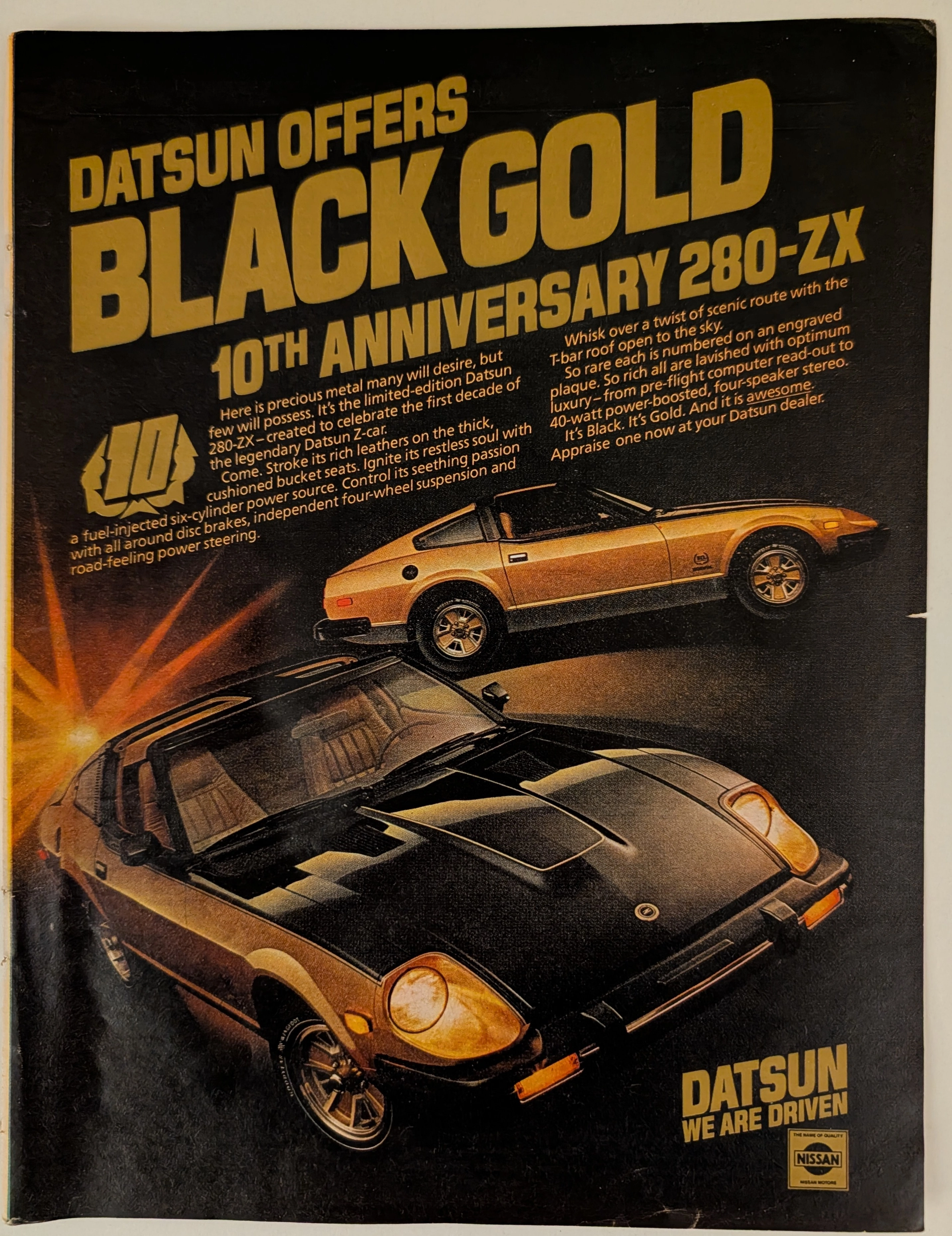
Then. The sports car was a visceral punishment. A machine of raw mechanical feedback. Loud. Uncomfortable. Temperamental. It demanded physical sacrifice in exchange for kinetic velocity. It was a weekend indulgence, entirely divorced from daily comfort. Now. The sports car is an isolated, luxurious capsule. It is a computational network rolling on synthetic rubber. It prioritizes atmospheric control, acoustic perfection, and passenger comfort alongside acceleration. It is a sanctuary of speed. The artifact before us documents the precise architectural bridge between these two eras. The year is 1980. The vehicle is the Datsun 280-ZX 10th Anniversary "Black Gold" edition. This is not merely a piece of automotive marketing collateral. It is the obituary of the raw, analog sports car. It is the birth certificate of the modern Personal Luxury Grand Tourer. It is the definitive moment Japanese manufacturing stopped apologizing and claimed absolute supremacy over the American highway.
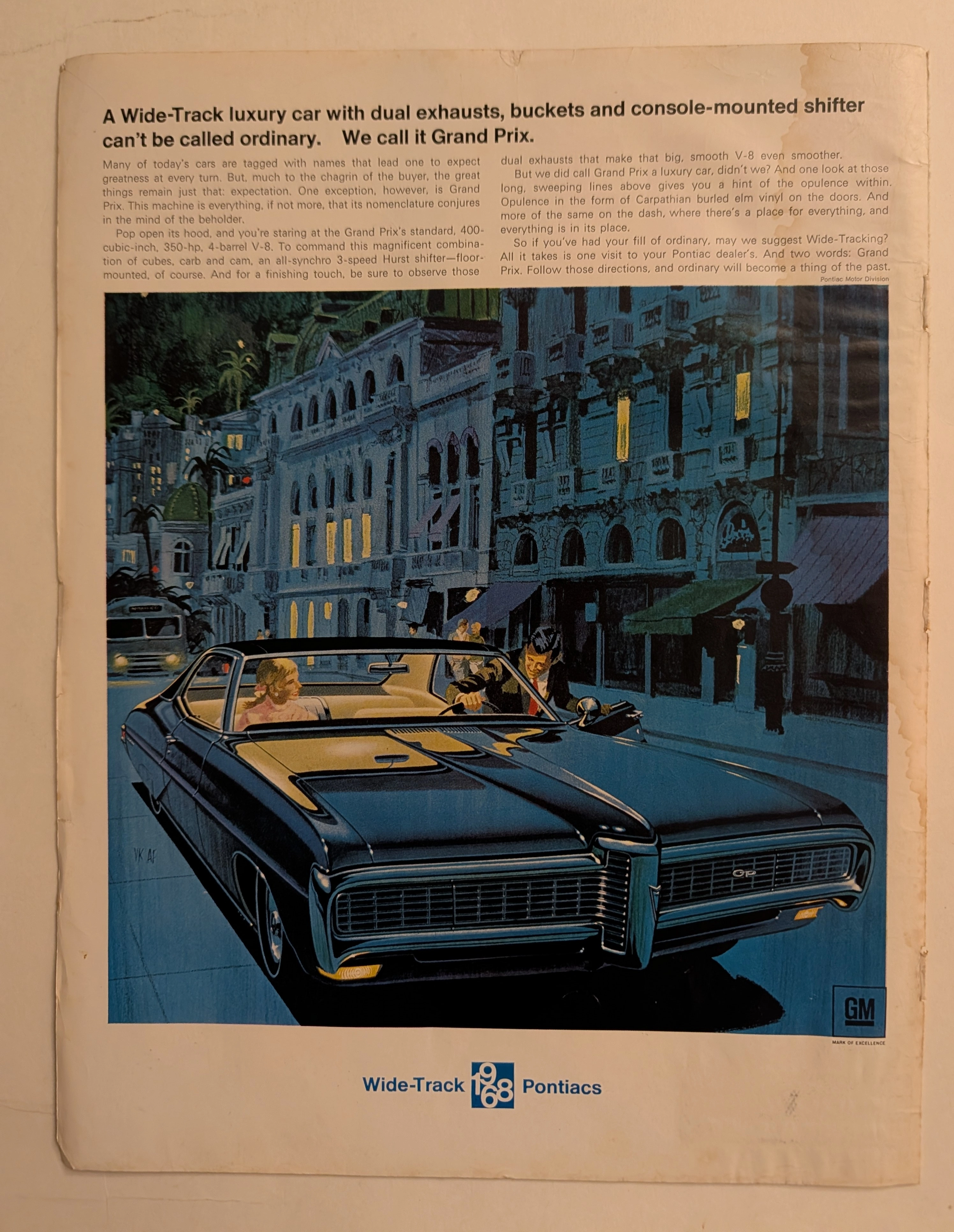
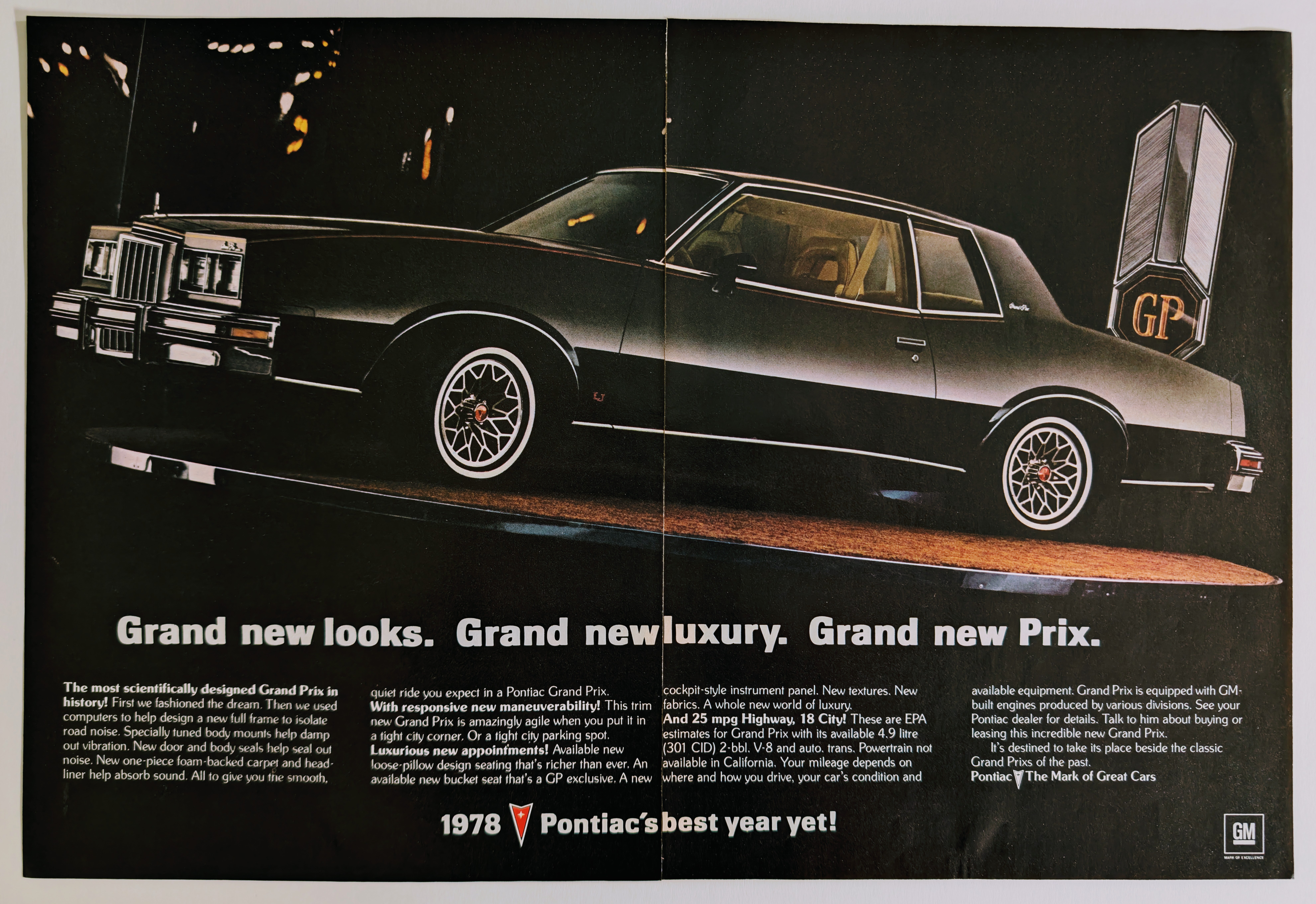
The automobile in mid-twentieth-century America was never merely a utilitarian mode of transportation; it was a profound, rolling projection of identity, aspiration, and social status. The historical artifact elegantly and securely positioned upon the analytical table of The Record Institute today is a majestic, full-page print advertisement for the 1968 Pontiac Grand Prix, originating from the golden age of American muscle and luxury. This document completely transcends the traditional boundaries of automotive marketing. It operates as a highly sophisticated cultural mirror, reflecting the exact moment when Detroit automakers successfully blended brutal mechanical horsepower with the cosmopolitan allure of the European jet set on a single printed page. This world-class, comprehensive dossier conducts a meticulous, unyielding, and exceptionally deep examination of the artifact, operating under the absolute most rigorous parameters of historical, sociological, and material science evaluation. We will decode the brilliant "Wide-Track" advertising strategy that saved the Pontiac division, analyze the legendary artistic collaboration that defined an entire era of commercial illustration, and dissect the rich, aspirational semiotics embedded within the twilight European street scene. Furthermore, as we venture deeply into the chemical and physical foundations of this analog printed ephemera, we will reveal the precise mechanical fingerprints of the CMYK halftone rosettes and the graceful, natural oxidation of the paper substrate. This precise intersection of visual nostalgia, mid-century commercial artistry, and the immutable chemistry of time cultivates a serene wabi-sabi aesthetic—a natural, irreversible phenomenon that serves as the primary engine driving up its market value exponentially within the elite global spheres of Vintage Automotive Ephemera and Commercial Art collecting.
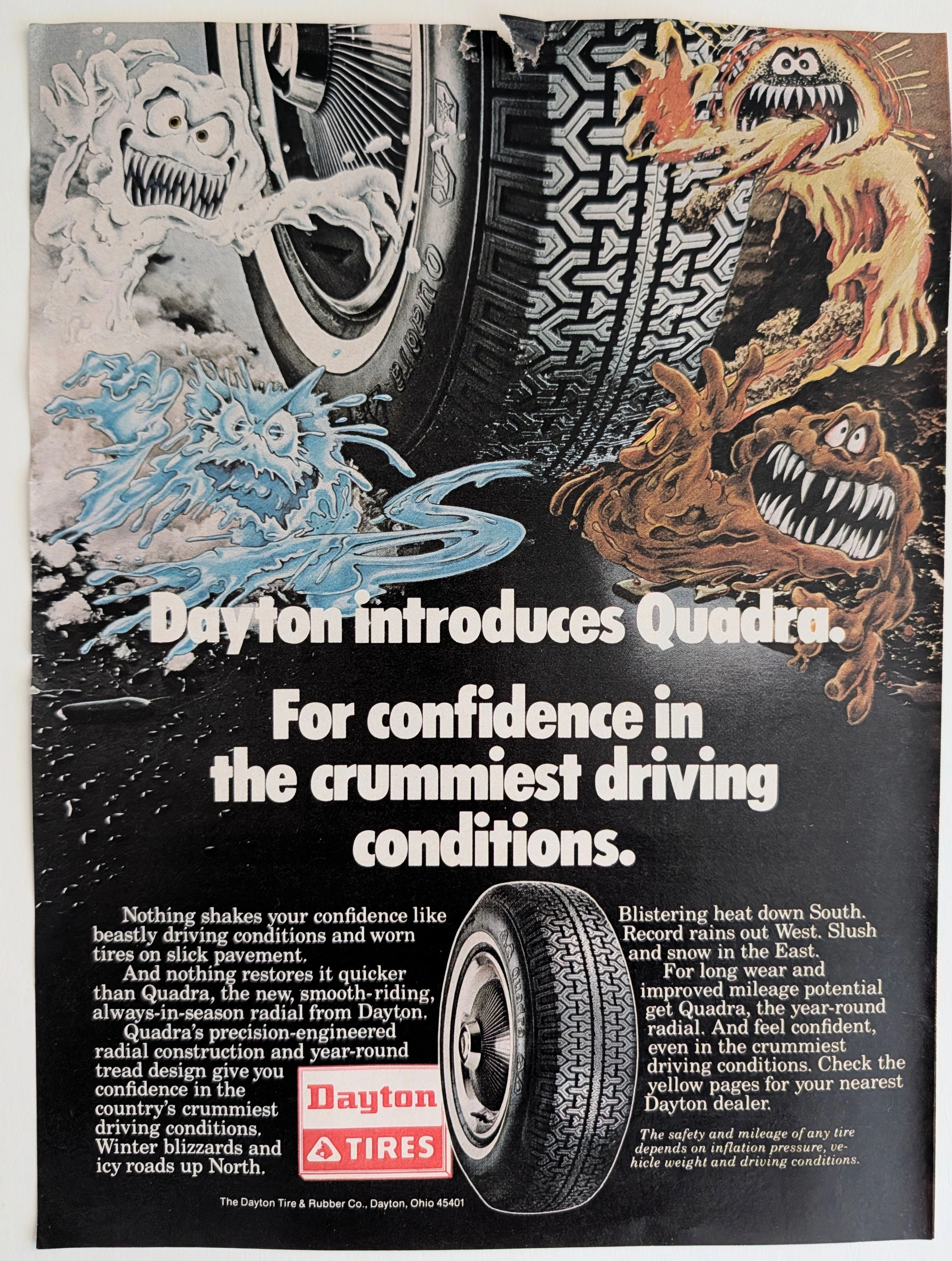
The tire is a philosophical boundary. It is the exact physical location where human intention meets planetary resistance. Before the widespread adoption of the radial tire, this boundary was fraught with anxiety. Drivers were at the mercy of the changing seasons. The transition from dry asphalt to frozen sludge required an operational shift. It demanded a change of equipment. It demanded a change of mindset. Then came the synthesis. The all-season radial. The Dayton Quadra advertisement does not merely sell rubber. It documents a shift in the American psychological landscape. It captures the moment the driver demanded dominion over all four corners of the climate, wrapped in a single, unyielding contact patch. We moved from seasonal adaptation to year-round defiance. This is the record of that transition.
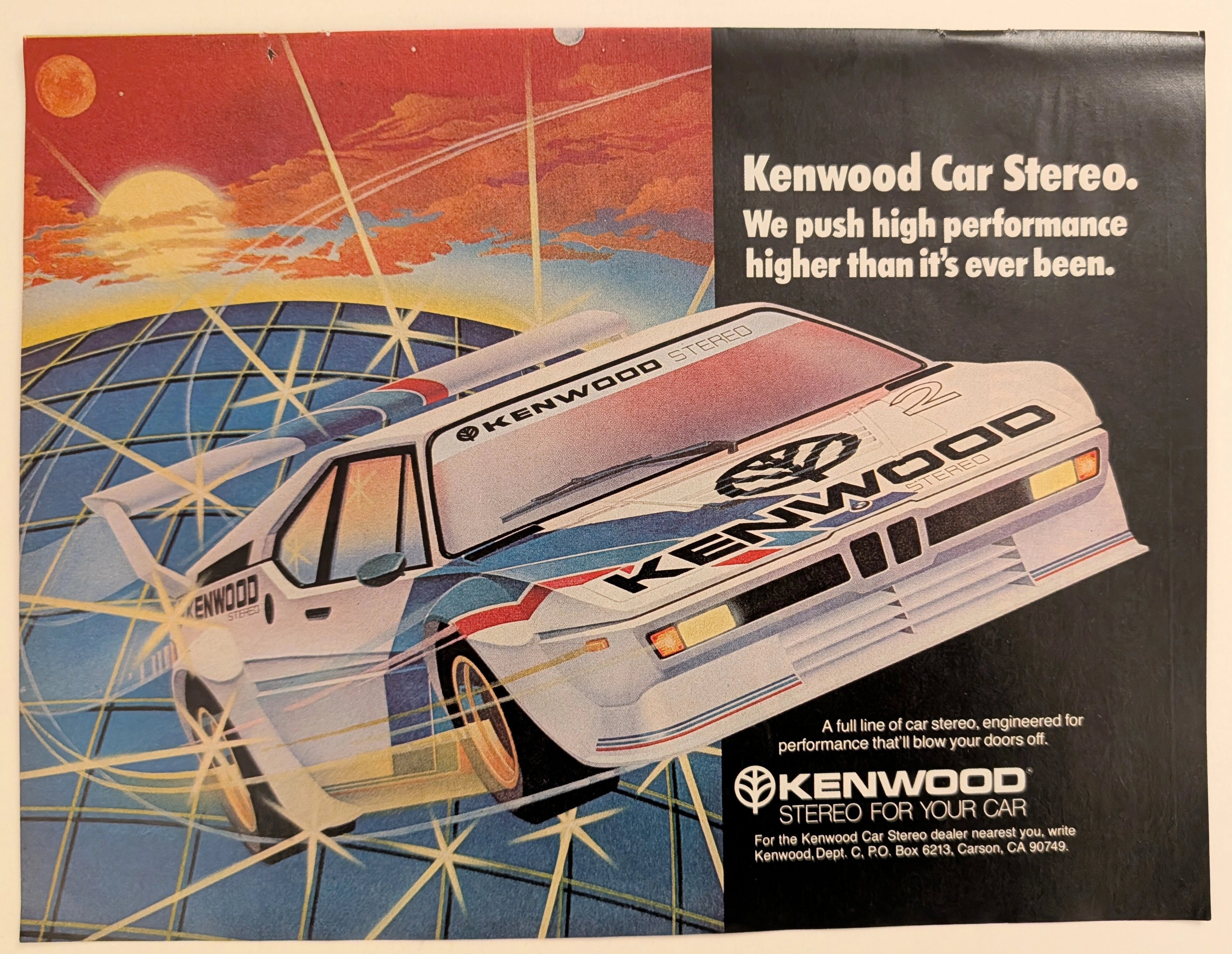
The evolution of 1980s American consumer electronics was fundamentally defined by the aggressive pursuit of portable and automotive high-fidelity sound. Elegantly and securely positioned upon the analytical table of The Record Institute today is a visually arresting, neon-drenched full-page print advertisement for Kenwood Car Stereo. This document completely transcends the standard, utilitarian boundaries of automotive accessory marketing. It operates as a highly sophisticated cultural mirror, reflecting a precise era in consumer psychology where auditory power was directly equated with vehicular performance. By utilizing a breathtaking, airbrushed illustration of a futuristic, aerodynamic race car accelerating over a cybernetic gridscape, Kenwood brilliantly positioned its audio equipment not just as radios, but as extreme, high-octane performance upgrades capable of generating sound that will literally "blow your doors off." This world-class, comprehensive dossier conducts a meticulous, unyielding, and exceptionally exhaustive examination of the artifact, operating under the absolute most rigorous parameters of historical, sociological, and material science evaluation. Dedicating the overwhelming majority of our analytical focus (80%) to its immense historical gravity, we will decode the brilliant marketing psychology embedded within the "neon grid" visual narrative, analyze the profound cultural shift toward aftermarket car audio customization, and dissect the aggressive, performance-based copywriting. Furthermore, as we venture deeply into the chemical and physical foundations of this analog printed ephemera (10%), we will reveal the precise mechanical fingerprints of the CMYK halftone rosettes captured in the stunning macro imagery of the airbrushed car. Finally, we will assess its archival rarity (10%), exploring how the graceful, natural oxidation of the paper substrate cultivates a serene wabi-sabi aesthetic—a natural, irreversible phenomenon that serves as the primary engine driving up its market value exponentially within the elite global spheres of Vintage Commercial Ephemera, Audio History, and Outrun/Synthwave Art Archives.